WORDS: Shannon Evans
PHOTOS: Katelyn Disbro
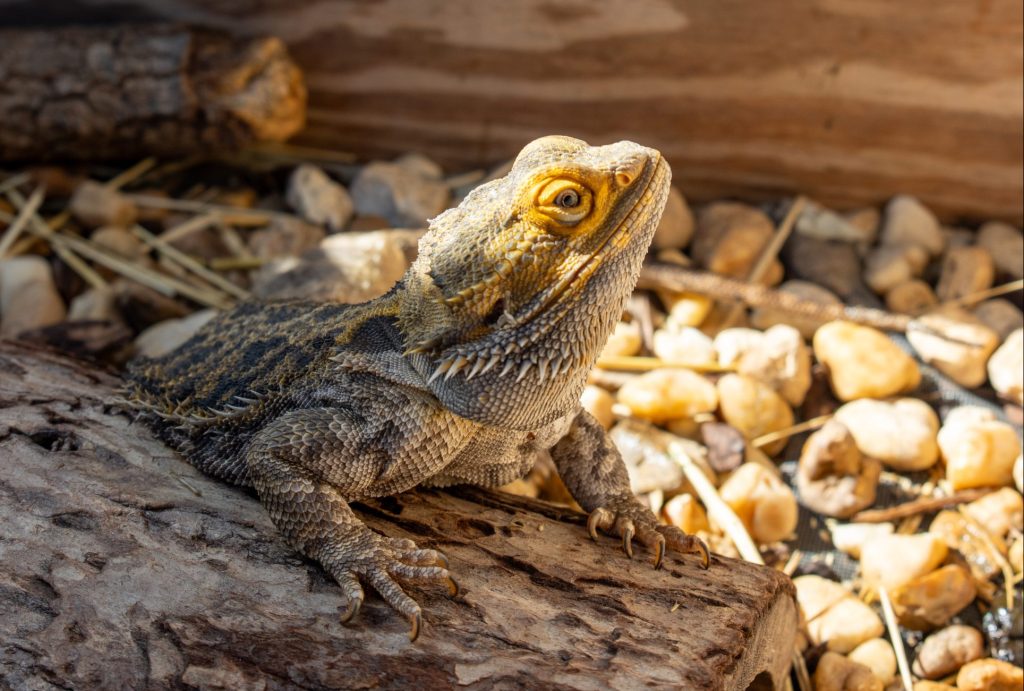
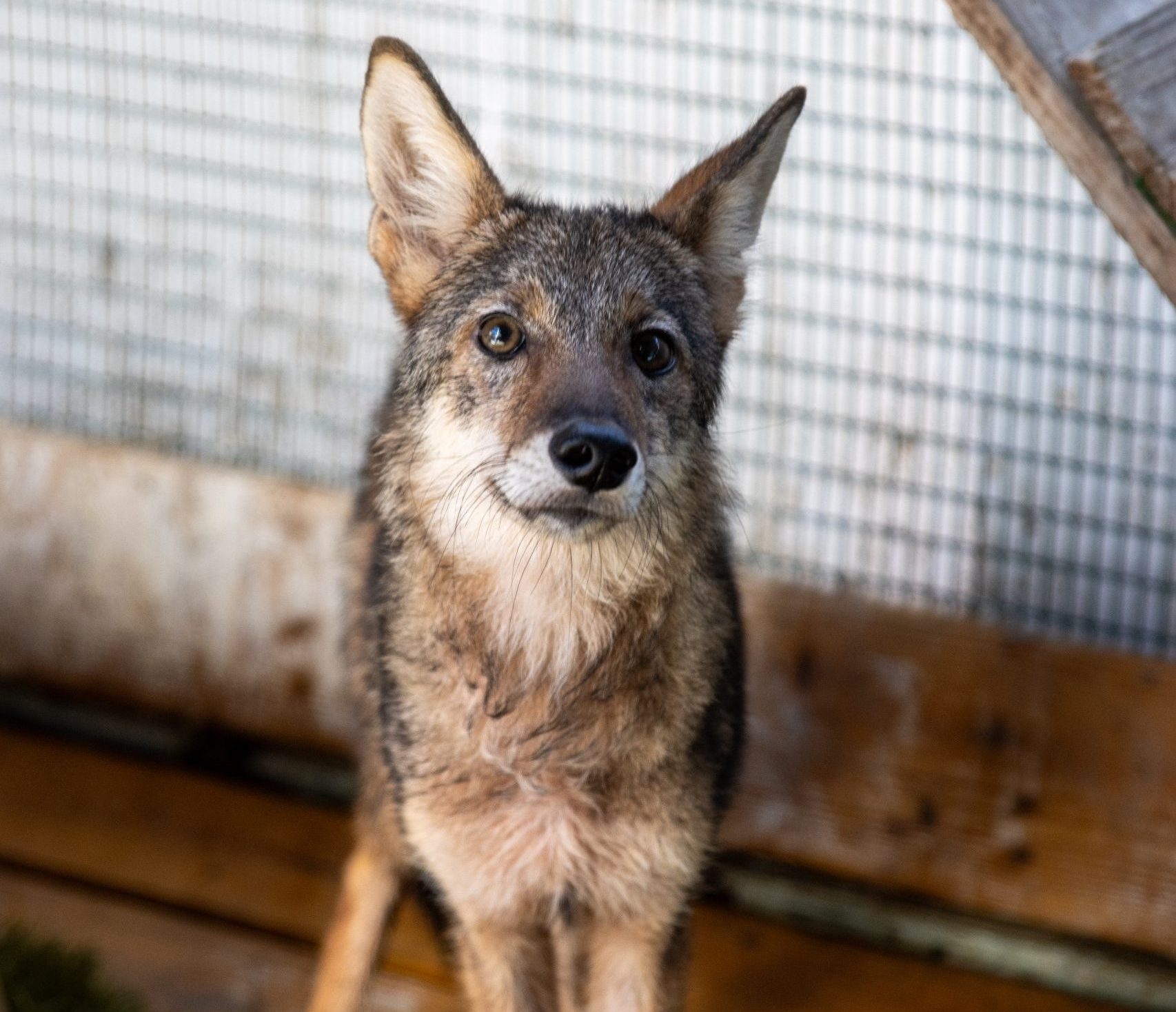
 On a quiet street in Bradenton Beach, among stately homes and rental cottages bathed in bright pastels, one property is not like the others. That’s because many of its residents wear fur, feathers, shells, and even scales. Here, Wildlife Inc. Education and Rehabilitation Center preserves and protects native wildlife, with its ultimate goal of releasing native species back into the wild.
Founded in 1988 by Gail and Ed Straight, this 501(c)(3) nonprofit serves as the only rehabilitation facility in Manatee County for birds, mammals, and reptiles, with its impact reaching across 893 miles. Each year, it receives over 4,000 calls from the public and rehabilitates 3,000 orphaned or injured animals. The center received the 2016 ‘Best of Bradenton Beach’ award, and One Green Planet recognized the facility as one of the top rehabilitation centers in the U.S. Honoring the center’s influence, Manatee County officially named March 3 as Wildlife Inc. Day.
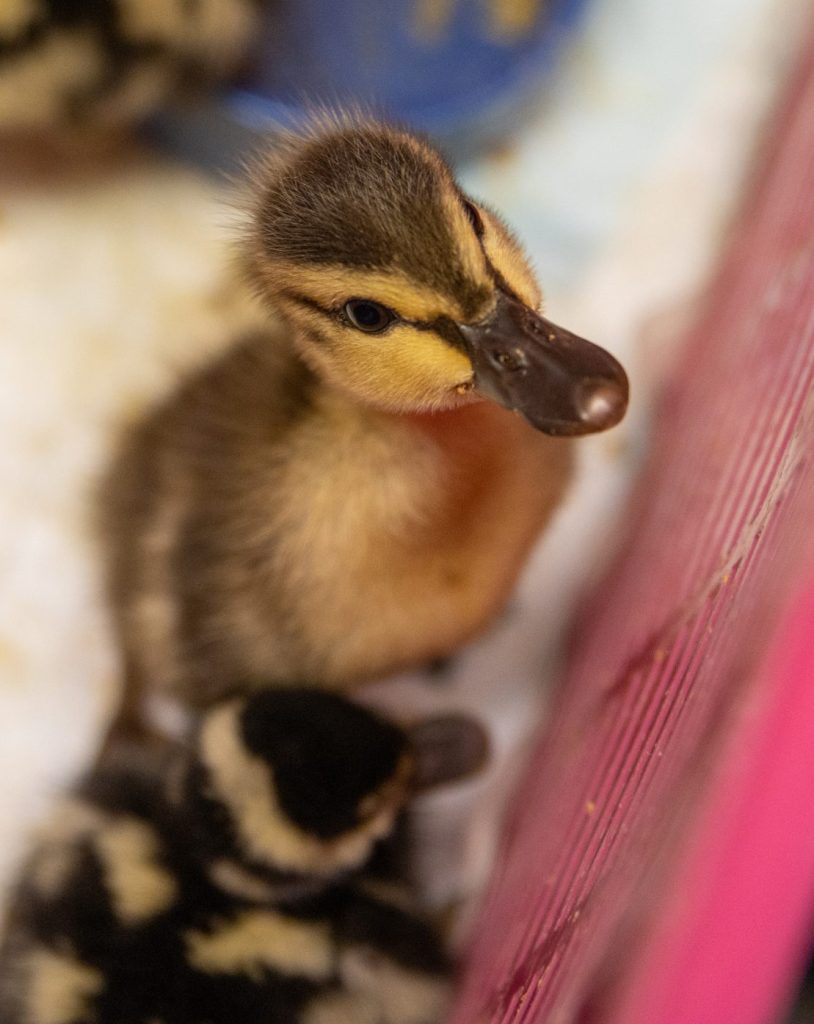
There’s a lot going on here. And it all started with one baby duck.
How it started
Prior to co-founding Wildlife Inc., Ed Straight didn’t work with animals. He spent years as a Bradenton Beach City Commissioner, a paramedic for Manatee County Emergency Medical Services, and EMS chief, as well as chief of the county’s Emergency Communications/911 center. He spent more than two decades as a reserve deputy with the Manatee County Sheriff’s Office. But in his spare time, Ed loves metal-detecting and treasure-hunting.
One day, during a treasure-hunting excursion near a Florida lake, Ed encountered a mother duck chasing one baby away from the others. Never imagining the impact of his actions, he took the duckling home to Gail. And despite growing attached, Gail eventually took it to a rehab center.
She arrived with a duckling. She left with a volunteer commitment and the determination to get her own rehab license.
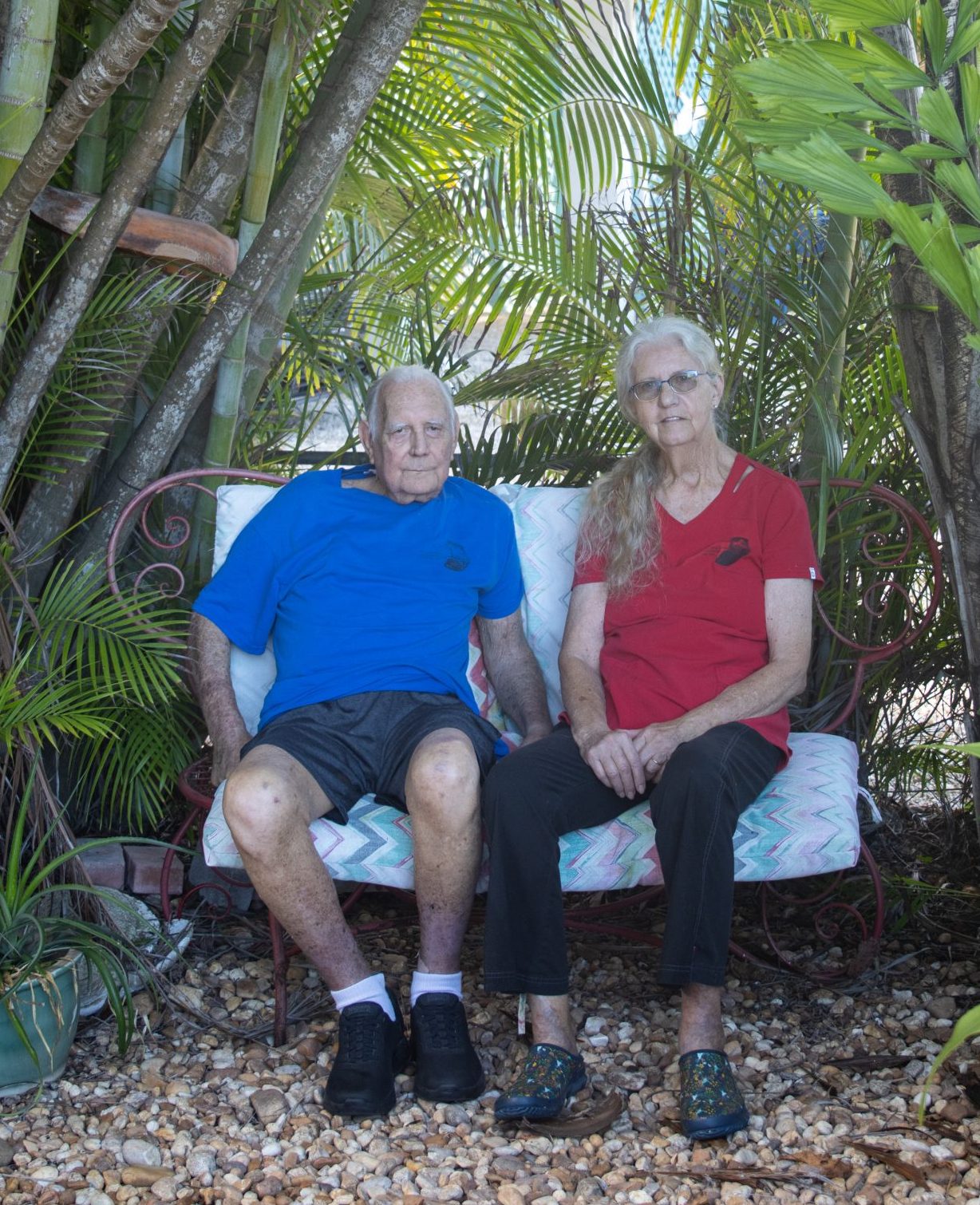 Two years later, Gail and Ed opened Wildlife, Inc. Education and Rehabilitation Center at their property in Bradenton Beach. Gail joined the Florida Wildlife Rehab Association, serving at various points as president, vice president, secretary, and newsletter editor.
“I’ve always loved animals, ever since I was a kid,” Gail says. “I collected frogs, lightning bugs, anything. And we always had dogs.”
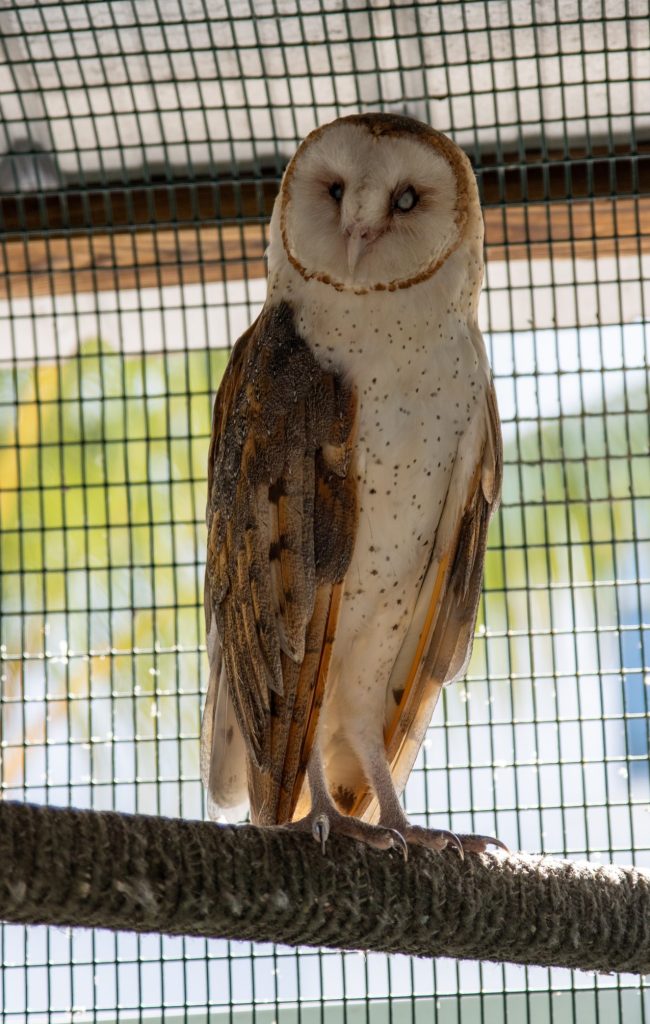
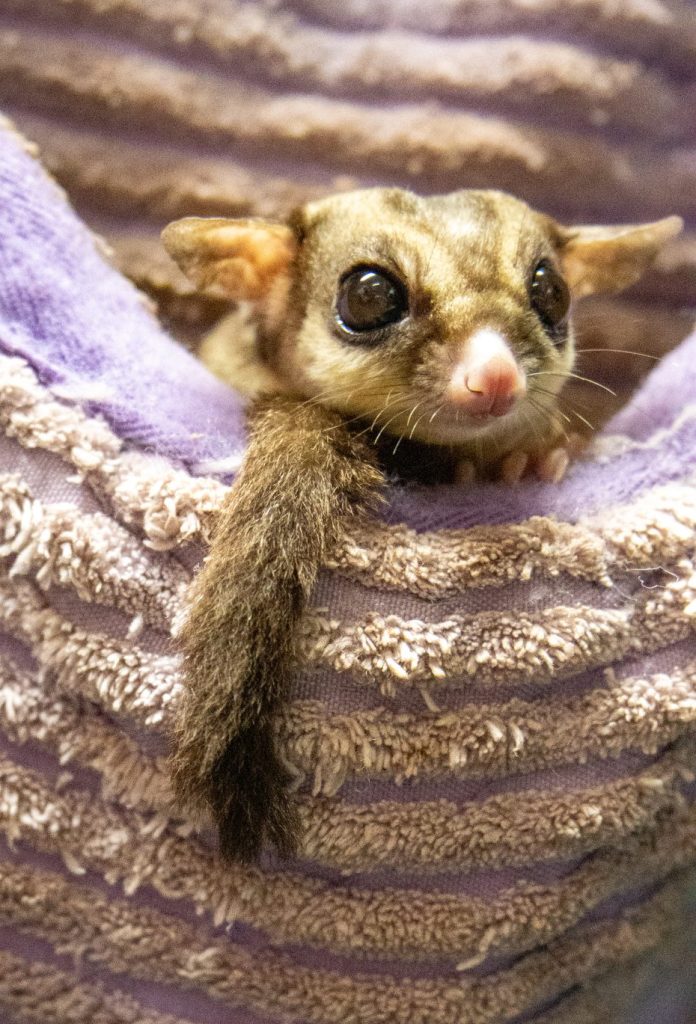
Today, her expertise has leaped beyond frogs. The center welcomes a vast array of species, from gulls, bluejays, and owls to raccoons, otters, fawns, and bobcats. And with that many creatures arriving at their door, many desperately in need of care, Gail and Ed don’t work alone.
“We couldn’t do this without our dedicated volunteers,” Gail says. “A team is always here, seven days a week.”
The center’s volunteers work directly with the animals, and some also champion the education side of the mission. They set up booths at local shows, fairs, and festivals, often inviting a feathery friend or two. Whether friendly conversations result in potential donors, new volunteers, or better-informed members of the public, every interaction raises awareness and helps propel Wildlife Inc.’s mission forward.
“We love what we’re doing,” Gail says, “but we need the public to help us out—and to help the animals, too.”
How it’s going
Wildlife Inc. rescues and rehabilitates animals in need and aims to inform people on best practices. If you discover a baby animal, for example, try to reunite it with its parents. Find a baby bird out of its nest? Make a new nest. Put the baby in a small basket with holes in the bottom, add grass or leaves, and hang it from a tree. Chances are that the parents will return and feed the baby.
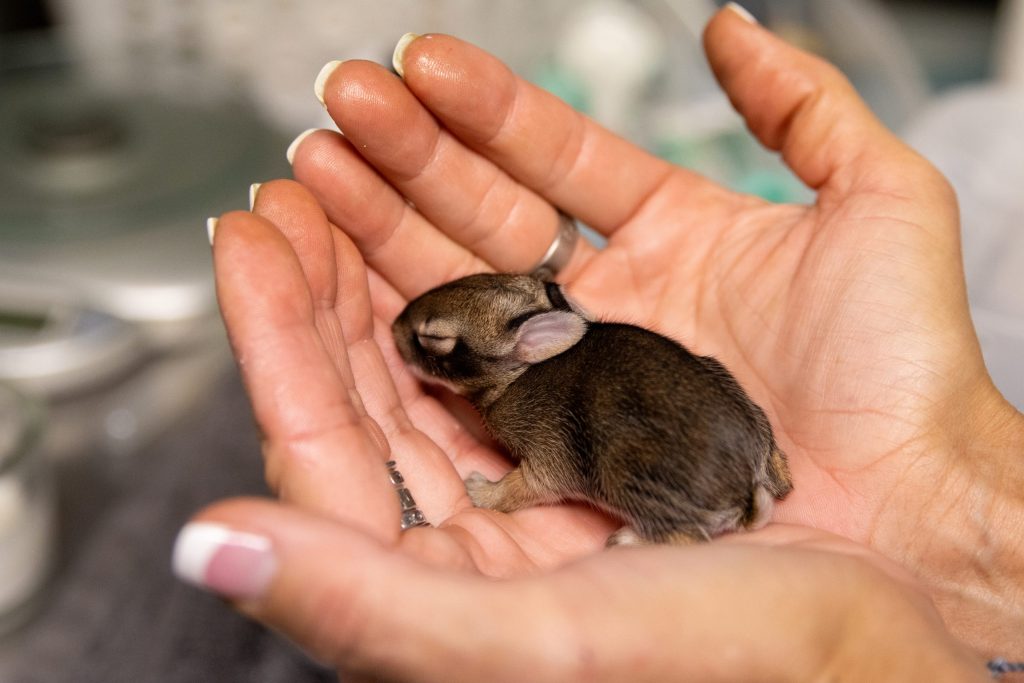 Gail and her team often get calls about ‘abandoned’ fawns, too. “The mother deer often hides the baby and then leaves,” she explains. “But she usually feeds it in the morning, then comes back at night. The best thing to do is leave the baby alone. Call us only if you haven’t seen the mother in two days and the baby is still in the same spot.”
Although many animals become displaced during hurricane season or find themselves separated from their parents—Ed relays a story of receiving over 250 baby squirrels in a 48-hour period—other issues affect the ability for wildlife to thrive.
“Increased development here means many species have nowhere to go,” Gail says. “More people mean more cars, which result in more injured animals. Greater numbers of boats have increased pollution, making it harder for birds to find food.”
Although some days may feel like an uphill climb, helping wildlife journey from death’s door to a rejuvenated life bolsters the teams’ resolve. Staff and volunteers celebrate every win, particularly each successful release back into the wild. The center partners with the owners of a 1,000-acre property in Lakeland, Florida, where they relocate many rehabilitated species to life as they’re meant to live it: without human interference.
How to help
Of course, people can have a positive impact on animals, as Wildlife Inc. so clearly proves. For creature-loving humans hoping to preserve and protect wildlife, here are ways to partner with the center:
- Visit www.wildlifeinc.org for helpful tips and best practices, particularly the How to Help tab and the ‘What You Can Do to Prevent Injuring Wildlife’ article.
- Donate items. The center maintains a wish list of needed items, like Publix/Walmart/Lowe’s gift cards, bleach and paper towels, nuts/seeds/acorns, and electrical equipment (aquariums, generators, fridges, and freezers). They also have a specific wish list on Amazon, all available on the website.
- Adopt a bird. Support the center’s efforts and give the gift of a feathered friend through symbolic adoption. Barnibus the Barn Owl and Kaya the American Kestral say thank you!
- Volunteer. From caring for animals, educating the public, or transporting injured critters, volunteers form the heart of Wildlife Inc.’s mission. Fill out the interest form on the website.
- Donate funds. The nonprofit does not receive state or federal funding; it relies entirely on grants and the public’s generosity. Create a legacy of protection and conservation by donating online or making checks out to Wildlife Inc. and mailing to: Wildlife Inc., P.O. Box 1449, Anna Maria, FL 34216.
- If you find a wild animal in need, call the center at 941-778-6324 from 7 a.m. – 7 p.m. It’s helpful if you can bring the animal to the center. For baby birds, rabbits, or other small animals: put them in a box, keep them warm with a rice sock, and bring them to the center. Check out wildlifeinc.org for other instructions related to specific animals.
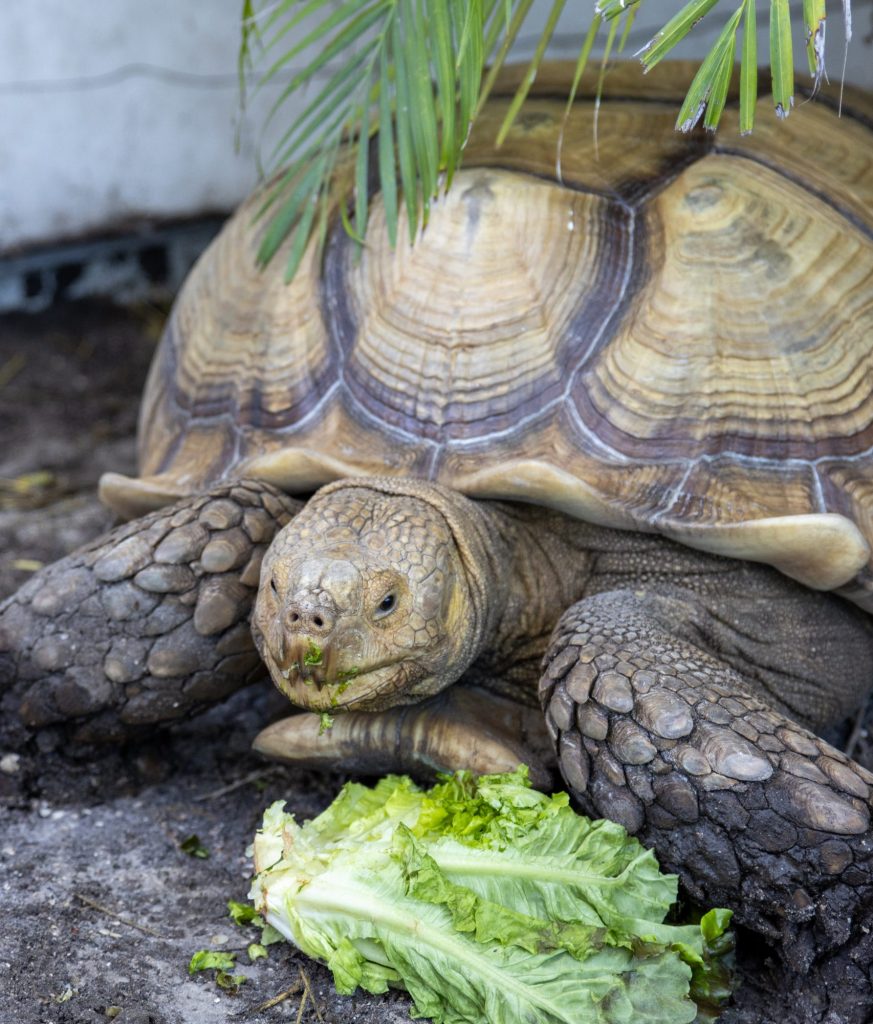
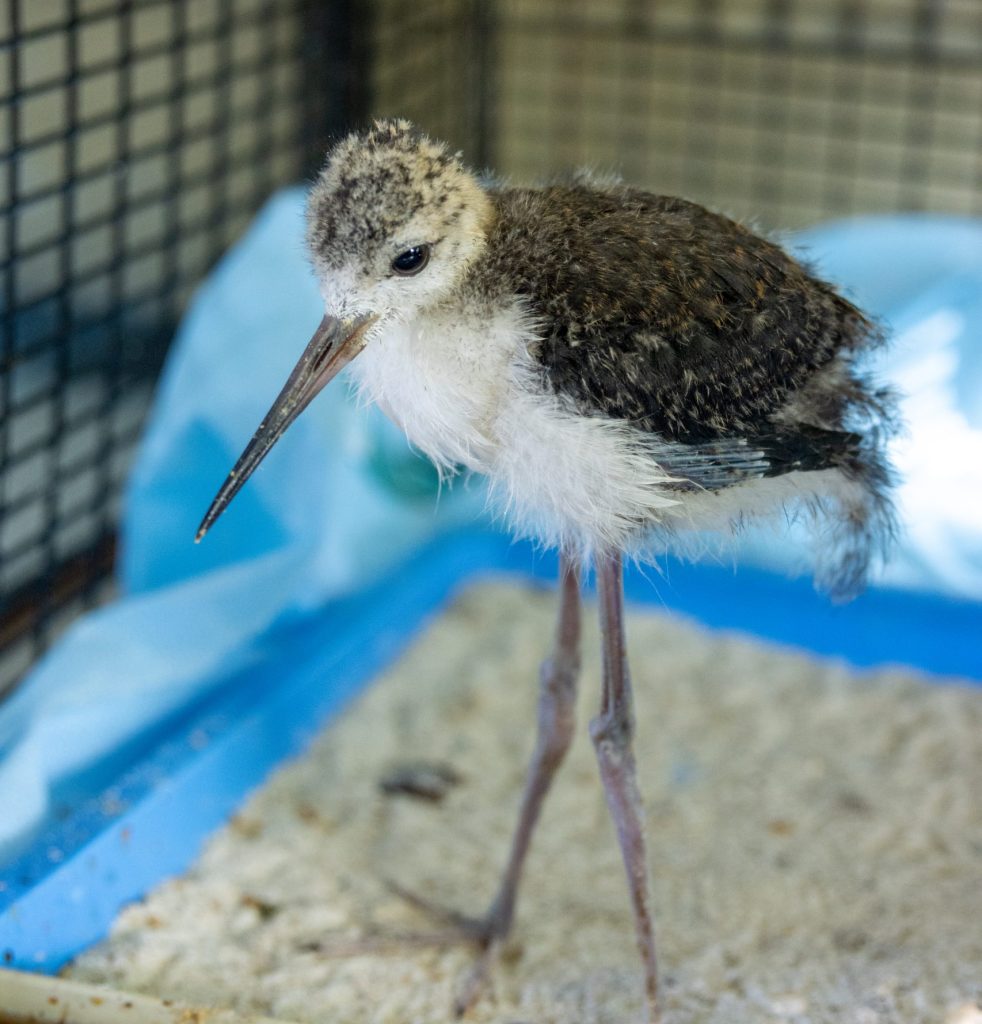
Wildlife Inc. may have started because of a single duckling. But since then, the center has beamed a beacon of hope to tens of thousands of animals, providing the specialized care these vulnerable creatures need to thrive.
“It’s amazing how much trouble you can get into from one baby duck back in the day,” Gail says, smiling broadly. But from the look on her face, it’s evident: every feather, paw, and claw that needed a second chance has been worth it.