WORDS & PICTURES: Gabrielle Versmessen
While HOPE Family Services has been around since 1979, their new Children’s Counseling Center will bring about a new dimension to their counseling services. Hoping to have construction completed by the end of this year, the new space will have four counseling offices and a lobby with various children’s toys and be able to help children aged four to 18 years old.
According to Dr. Melissa M. Stiles, an associate professor in the Department of Family Medicine at the University of Wisconsin-Madison Medical School, 3.2 million American children witness incidents of domestic violence annually. The children who witness violence are then desensitized to it and typically have a host of problems, such as troubles with relationships or bonding.
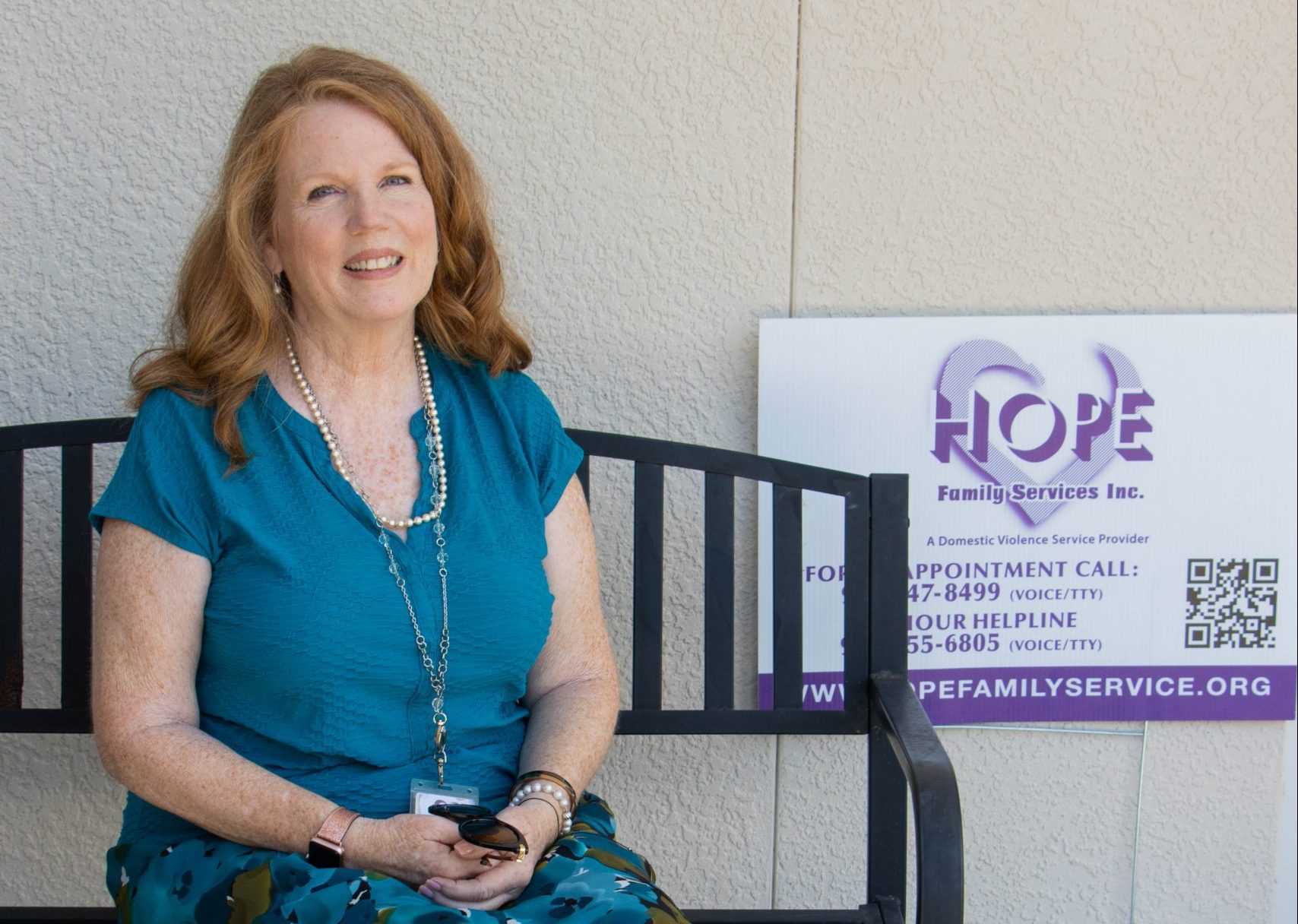
“We’ve been doing this a long time, so why do we still have battered women and their kids? We’re not breaking the cycle of violence. So, we’re putting a lot of emphasis and resources into the Children’s Counseling Center,” says Laurel Lynch, CEO of HOPE Family Services.
“Making a difference with somebody who’s a batterer (we don’t do that work) at 40 is a lot more difficult to change that behavior than maybe when he was four; we could have made a difference. I always say, ‘could you give me him when he’s four and not when he’s 40?'” Laurel emphasizes.
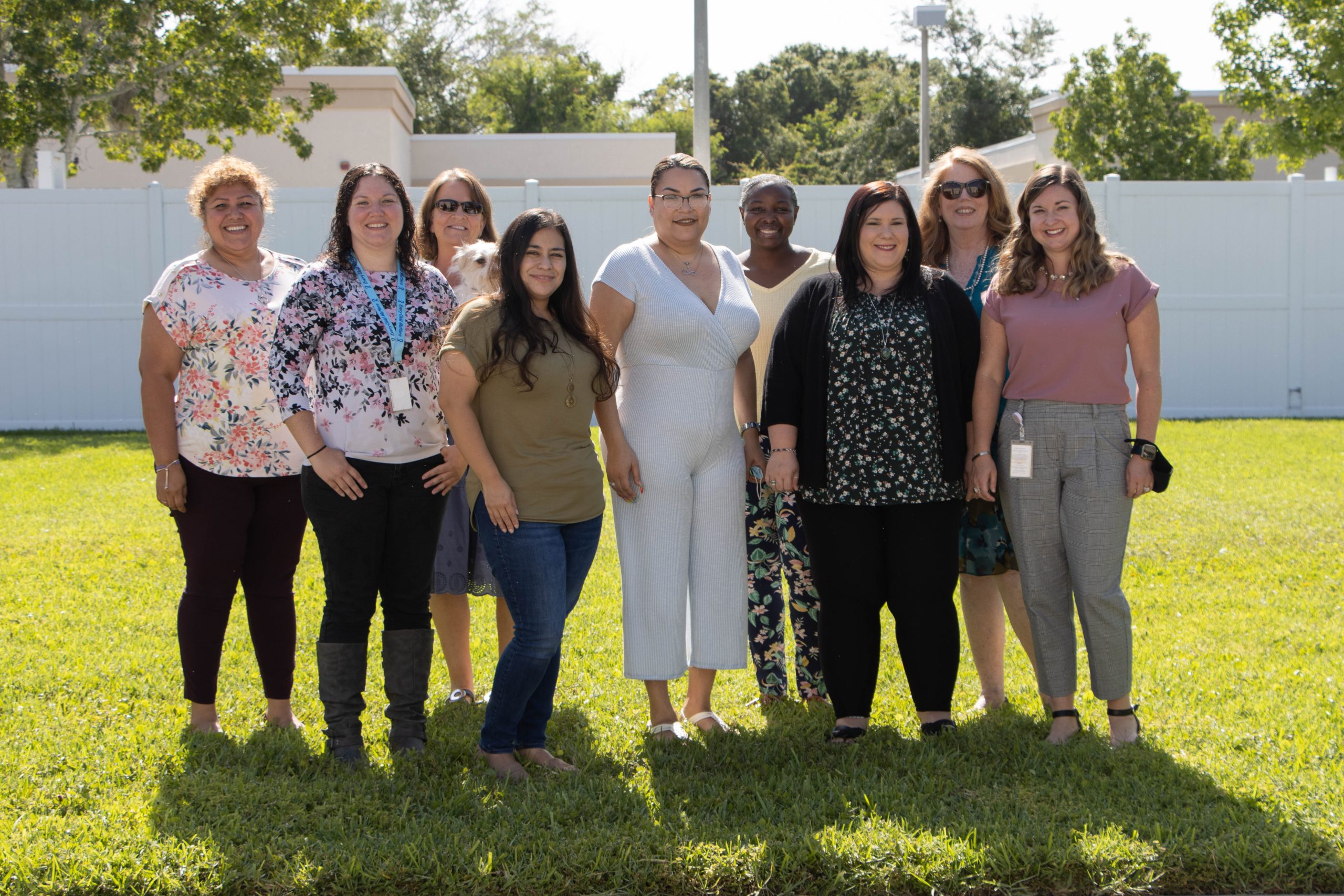 The Children’s Counseling Center will reach not just children residing in the HOPE shelter but also children in their outreach program. Before the Pandemic hit, HOPE counselors went to the schools to help combat any transportation issues, assisting parents so that they could bring the counseling to their children. HOPE hasn’t been able to go back into the schools yet, but they’re hoping that will change in the upcoming year.
If a parent wants their child or children to have counseling, they have to go into HOPE and do a parent intake form so HOPE can obtain information about the child. Then, the HOPE counselors typically reach out to a school counselor to arrange that meeting, so they know they’re coming and the services the parent is requesting, and then they arrange a time to meet with the child. They typically have a private space for anywhere from 30 minutes to an hour, depending on the school’s allowance.
“We have a really good relationship with the schools. Sometimes, they see the negative behavior at school, so they’re thankful when they know we’re coming in because it provides extra support for the child. It also helps them. They see the changes in the behavior. We’ll have teachers that either tell the parent or get in contact with us, and they’ll give us that positive feedback on how the child is now doing,” says Ada Torres, licensed mental health counselor and Director of Counseling Services for HOPE.
They also work with parents too on parenting tactics. After being in a domestic violence environment, sometimes your parenting can become damaged. HOPE helps parents find the triggers and how to cope with them healthily.
They’ve even had people receiving services from HOPE at some point, and then something triggers them, and they call back for support.
“They know that we’re here, and that’s a good thing because they know where they can go to ask for help,” says Ada. “Our counseling is open for anyone. If you’ve been touched by domestic violence, either directly or indirectly, immediately or ten years ago, kids included.”
Laurel says the average age for child counseling at HOPE is 10 to 12 years old, and the demographic is pretty much a 50/50 ratio between boys and girls. Counseling can start as early as four years old, depending on how verbal the child is. For the younger children, Ada or one of the other counselors at HOPE will use play therapy, a technique where the children play games in the counselor’s office to get them engaged and talking during sessions.
Laurel’s day-to-day role as CEO consists of writing grants and raising money for the organization. “I’m mostly a cheerleader and run around telling everyone they’re doing a great job,” she laughs. “Ada is on the front lines talking to the kids.”
Ada has been with HOPE since 2016, supervises two other counselors, and facilitates counseling sessions herself. She is currently the only bilingual counselor, so she tends to keep her schedule available for the Spanish-speaking individuals that need her services.
 With an estimated 10 million people being affected every year by family and domestic violence, it’s, unfortunately, no surprise that Laurel and Ada have their own personal experiences with it. But what about it drove them to this field of work?
Laurel worked at another domestic violence center doing the frontline work for ten years before working for HOPE. “I met my first husband at 19. We were living together six weeks later, and we were married six weeks after that. Five years later, I was done with that relationship. It had gotten to the point where I knew something had to give, or I wasn’t going to survive. I catapulted myself back to school. I thought, ‘If this could happen to me, it really could happen to anybody.’ I had NO understanding of it!”
“I started volunteering at a domestic violence center. The more I learned, the more I felt passionate that we have to change things in our society. I finally got my diploma and just helped wherever I could. I’m still as passionate today about the work we do as I was back then. If anyone needs our help that’s in a violent relationship, that’s what we’re here for. That’s still the draw for me. We need to help people understand that there are ways of keeping themselves safe. I don’t even think about being a survivor of domestic violence anymore because I don’t identify that way. It’s been so long, and now I’m remarried to a phenomenal person.”
For Ada, she had experienced teen dating violence but what had the most impact on her was the death of her mom’s best friend, who was killed by her abuser. “He did it in front of his daughter, who was four at the time, and his stepdaughter, who was 16. I wanted to understand why. I was 16 or 17. Prior to that, there had been situations where I was the one translating for her to the police. There were a lot of things that I learned that I didn’t understand. As I got older, I started connecting the dots and how people don’t understand the whole dynamics of domestic violence. I see how the families want to support but can’t because they don’t understand. That’s what did it for me. I wanted to learn more about how this works and see what I can do to help that population.”
HOPE doesn’t turn anyone away for services. If someone identifies as a survivor or a victim of domestic violence on the phone, HOPE will try to schedule an interview within 24 hours of that phone call for the person, male or female, to come in, assess the situation, and see what else it is that they can do for them.
- If you need to call HOPE for help or more information, their 24-hour helpline is (941) 755-6805 or you can text “survivor” to 69922. You can also visit their website at www.hopefamilyservice.org.