WORDS: Merab Favorite
PICTURES: Whitney Patton
When Jenny*, age 7, unexpectantly lost her father during the week of Thanksgiving, she was overcome with grief. Her interest in her favorite activities waned; she had trouble sleeping, had no appetite, and developed an immense fear of being alone. In school, she wasn’t participating in lessons and experienced bouts of intense emotion.
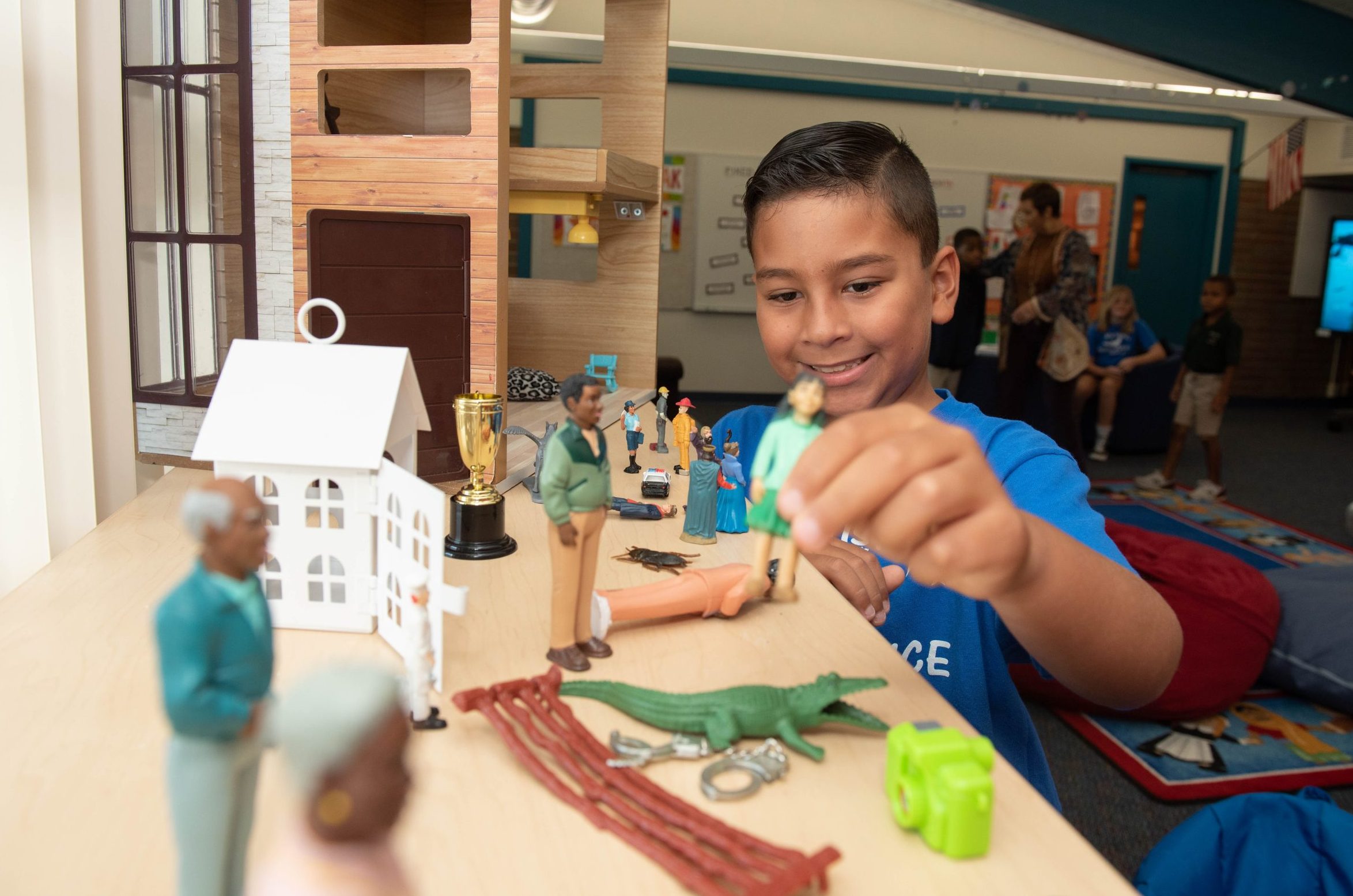
Jenny’s school administrator referred her to a mental health therapist conveniently based at her elementary school. Unlike a traditional school counselor, who primarily works with the school populace in a group setting, a school-based therapist is a licensed clinician with a defined number of clients. With parental consent, therapists work one-on-one with students during their day to nurture mental health and wellness, two components connected to success in the classroom.
Jenny’s therapist helped ease her trauma by asking her to decorate two stones. Jenny painted each of them to reflect happy memories of her dad. She placed one on her father’s grave. The other she kept as a constant reminder that he loved her. The remembrance stone was just one way the therapist helped Jenny cope with losing her father and better understand the emotions she was feeling.
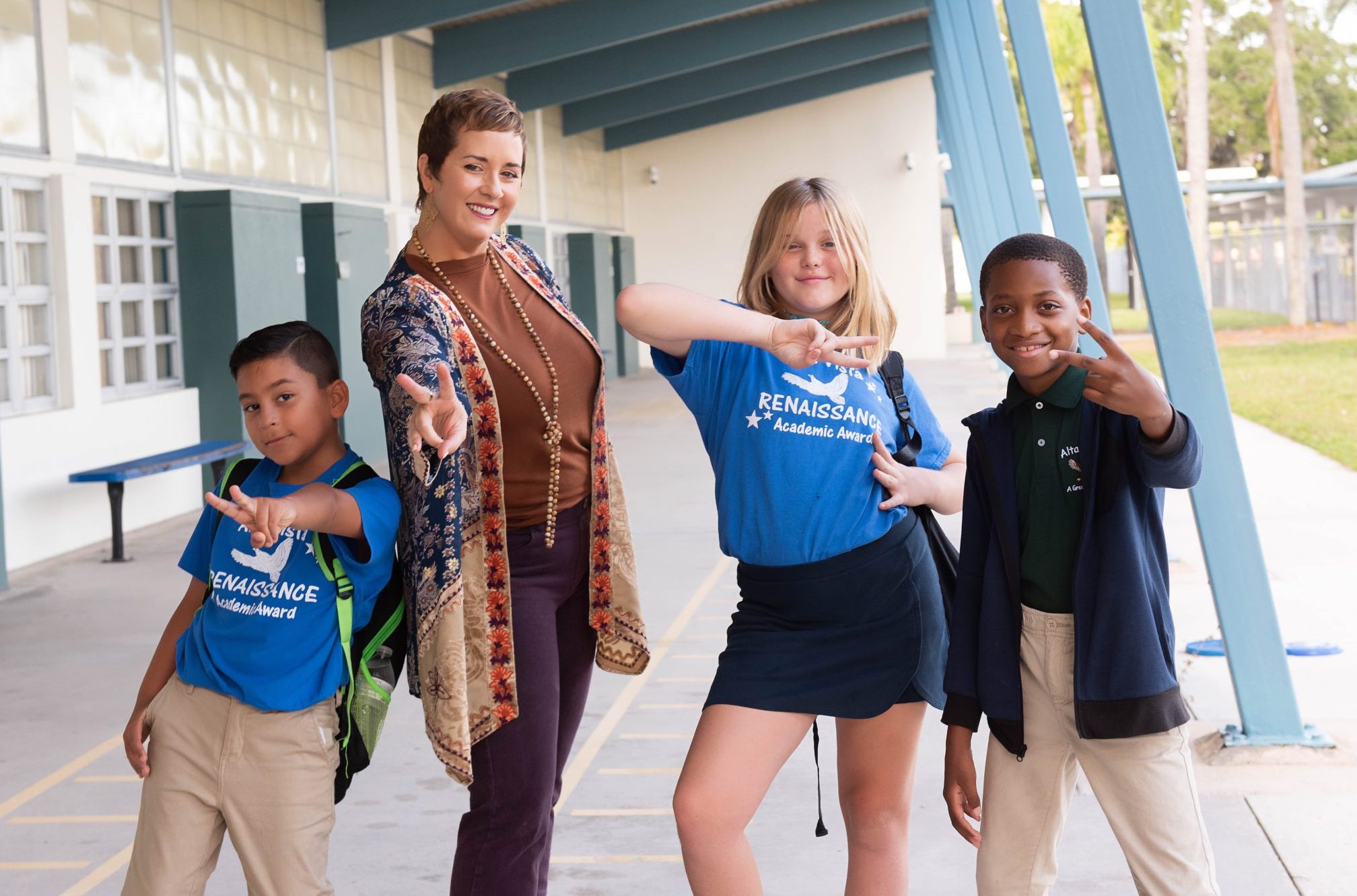
Jenny is just one of more than 700 young clients helped by school-based therapists employed by The Florida Center for Early Childhood last year. The non-profit agency supports the healthy development of young children, specializing in those with delays, disabilities, and mental health challenges. The Florida Center’s nationally accredited school-based therapy program, which began in 2017, has gained popularity in the region and expanded to 25 schools in Sarasota County. This year, it has also been implemented in select schools across Manatee County.
 “The School District of Manatee County is happy to partner with the Florida Center for Early Childhood this year. Their record of success with schools and families is evidenced in the work they have done in other counties. We have contracted them to work with our BIG 10 schools, which are our elementary schools with the highest needs. These therapists will be integrated into each school’s community to assist students and families with counseling services. Florida Center therapists will work to ensure that students with mental health needs are addressed on-site. Our partnership will ensure we meet students’ academic and mental health needs while maintaining compliance with all statutes,” says Superintendent Cynthia Saunders.
The Centers for Disease Control estimates that one in 10 children is coping with a mental health issue severe enough to impact their lives at home, in school, and in the community. However, 75-80 percent of children in need of counseling do not receive the service, according to the American Journal of Psychology.
School-based mental health therapy helps to bridge that gap, providing counseling services to children during their school day. Therapists also support the child’s family at no out-of-pocket expense. Students are referred to the program for various reasons, including aggression, anxiety, defiance, trauma, and grief.
The initiative is making a difference for children, families, and schools. A recent survey conducted by The Florida Center found that 100 percent of school administrators said the program positively impacted the school, improving the overall dynamic. The same survey found that 95 percent of student clients made progress in their mental health goals.
“School-based therapy has been an incredible support for our school,” said Becky Drum, Principal of Glenallen Elementary School in Sarasota. “The therapists are smart, kind, and patient, helping children overcome challenges and connecting families in crisis to services and supports.”
However, each school-based therapist has a maximum caseload of 20 students. Serving 700 students per year is merely scratching the surface of a nationwide epidemic. Locally, more funding is needed to address the mental health needs of youth. The Florida Center hopes to attract new donors to support the program and get children the help they need.
Organizations like the Lean on Me Project with NAMI Sarasota-Manatee have stepped up to fund additional positions at schools that need it the most.
“My husband and I believe in the concept of healing the world,” said Amy Falk Weinberger, founder of the Lean on Me Project. “Funding mental health counselors at the elementary school level is about participating in something greater than oneself. It holds the promise that perhaps a young person will feel supported and elevated. It holds the promise of access to mental health services during the school day. It simply holds the promise that a student can practice mental health wellness, and that is hopeful.”
Helping Teachers Cope with Stress
In addition to providing services for children and families, school-based therapists also work with the child’s teacher and other educational staff through coaching and consultation. The process has helped schools become more trauma-informed, shifting the perception of children’s actions.
“We tend to focus on the behavior instead of really trying to understand what’s happening in that child’s life that’s causing the behavior,” said Dr. Kristie Skoglund, CEO of The Florida Center. “Having this holistic approach where therapists are communicating regularly with teachers, administrators, staff, and parents has cultivated an environment that enhances the success rate for students in the program because they feel very supported.”
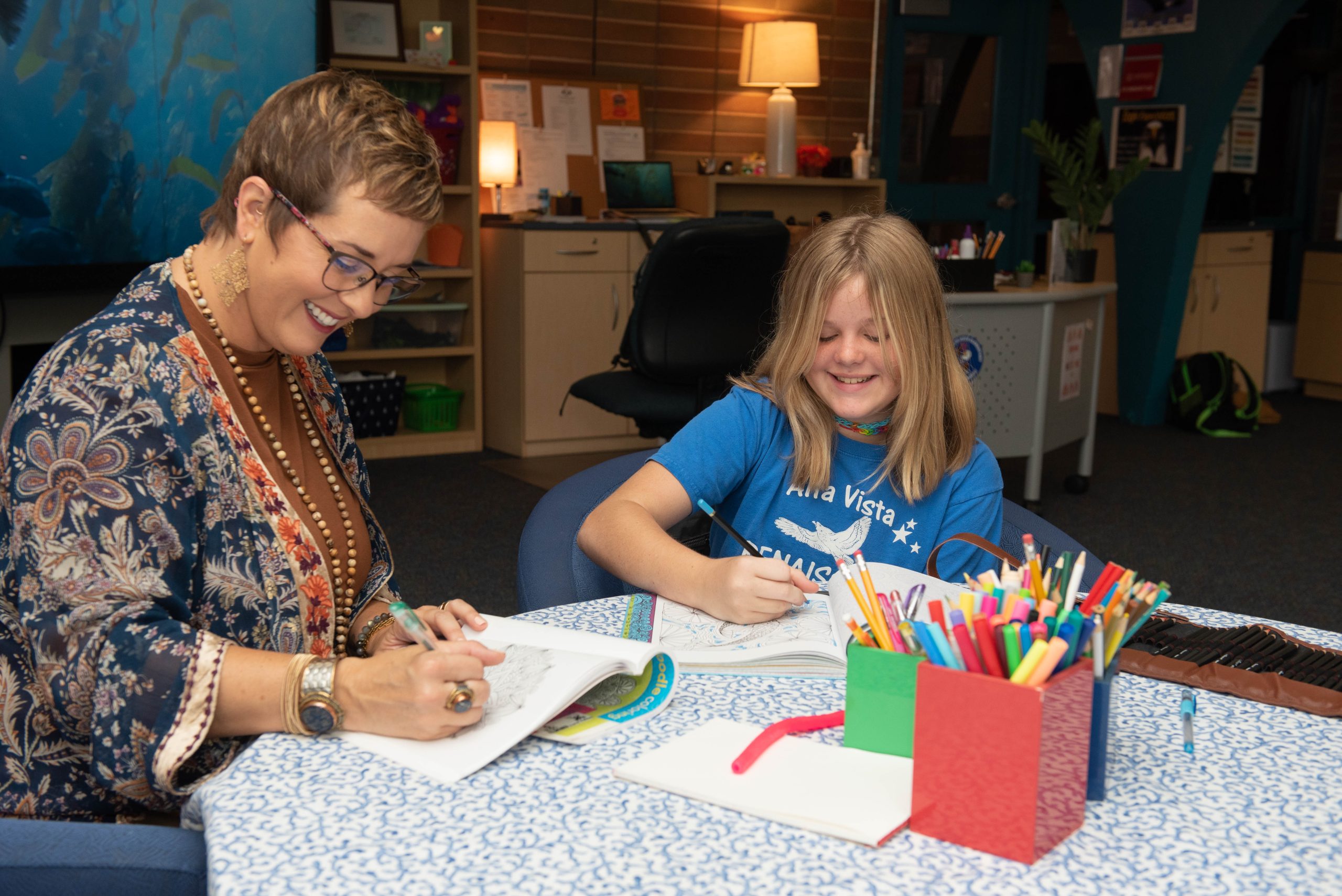 The Florida Center is also finding ways to support teachers and acknowledge the stress they feel on a daily basis. At Wilkinson Elementary School in Sarasota, therapists set up a special space for teachers and school staff to help them decompress after a busy day. With the help of a sponsorship from Bayside Community Church and a grant from the Education Foundation of Sarasota County, they installed mood lighting, calming music, mindfulness activities, and even massage chairs in a new ‘Zen Den’ at the school.
“It gives them a space to go and just breath for a few minutes, let go, have a quiet moment, and treat themselves to something special,” said school principal Susan Nations. “It then allows them to go back to the classroom and really focus on their children with renewed energy.”
In addition, The Florida Center’s newly expanded training institute offers a variety of training for parents/caregivers, teachers, and other early childhood professionals that cover beneficial topics that can be applied in various situations.
“We are doing everything we can to nurture the well-being of teachers and students by providing training and support, allowing schools to maintain their critical focus on education and achievement, said Skoglund. “We want educators to know, we’ve got this, and we’re here to help.”
Ensuring Preschoolers are Emotionally Ready for Grade School
The Florida Center’s school-based therapy program doesn’t only cover grade school. At a preschool level, social-emotional consultants help very young children learn to identify and express their emotions, ensuring they are better prepared for kindergarten and beyond. Developing these abilities is critical not only for their healthy development but also for the overall success of their classroom.
The program began at Starfish Academy Preschool, The Florida Center’s early education program, and has since expanded to include other preschools in Sarasota and Manatee counties, thanks to community partnerships with United Way Suncoast and The Barancik Foundation.
“Every day in the United States, 250 children are expelled from preschool,” Skoglund said. “When preschools have access to social-emotional consultants, it helps reduce disruptions for the teacher and the other students. The consultant works with the child in the classroom and on a one-on-one basis to help them better develop their emotional regulation.”
Child well-being and thriving communities go hand-in-hand. Research shows that intervention at an early age benefits society — directly affecting the outcomes such as special education placement, grade retention, high school graduation rates, employment, and social welfare programs.
“When people and agencies support this critical period of growth and development, they are providing vulnerable children with skills that will last their entire lifetime,” said Melissa Dunlap, a longtime supporter of The Florida Center. “I rest assured knowing my contribution made a difference.”
If you’d like to learn more about the agency or to support the program, visit www.thefloridacenter.org
*The client’s name at the beginning of this article was changed to protect their privacy.