WORDS & PICTURES: Gabrielle Versmessen
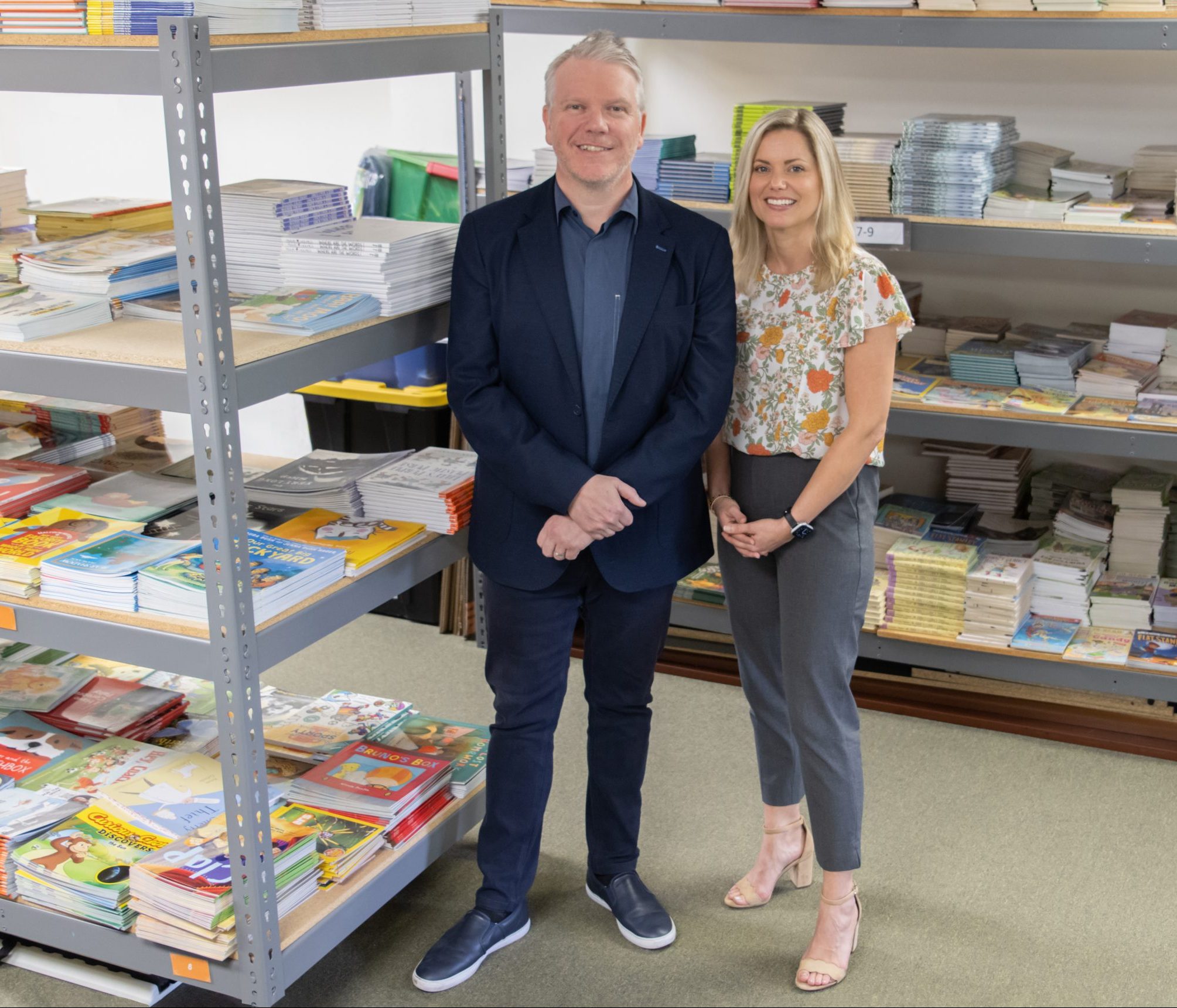
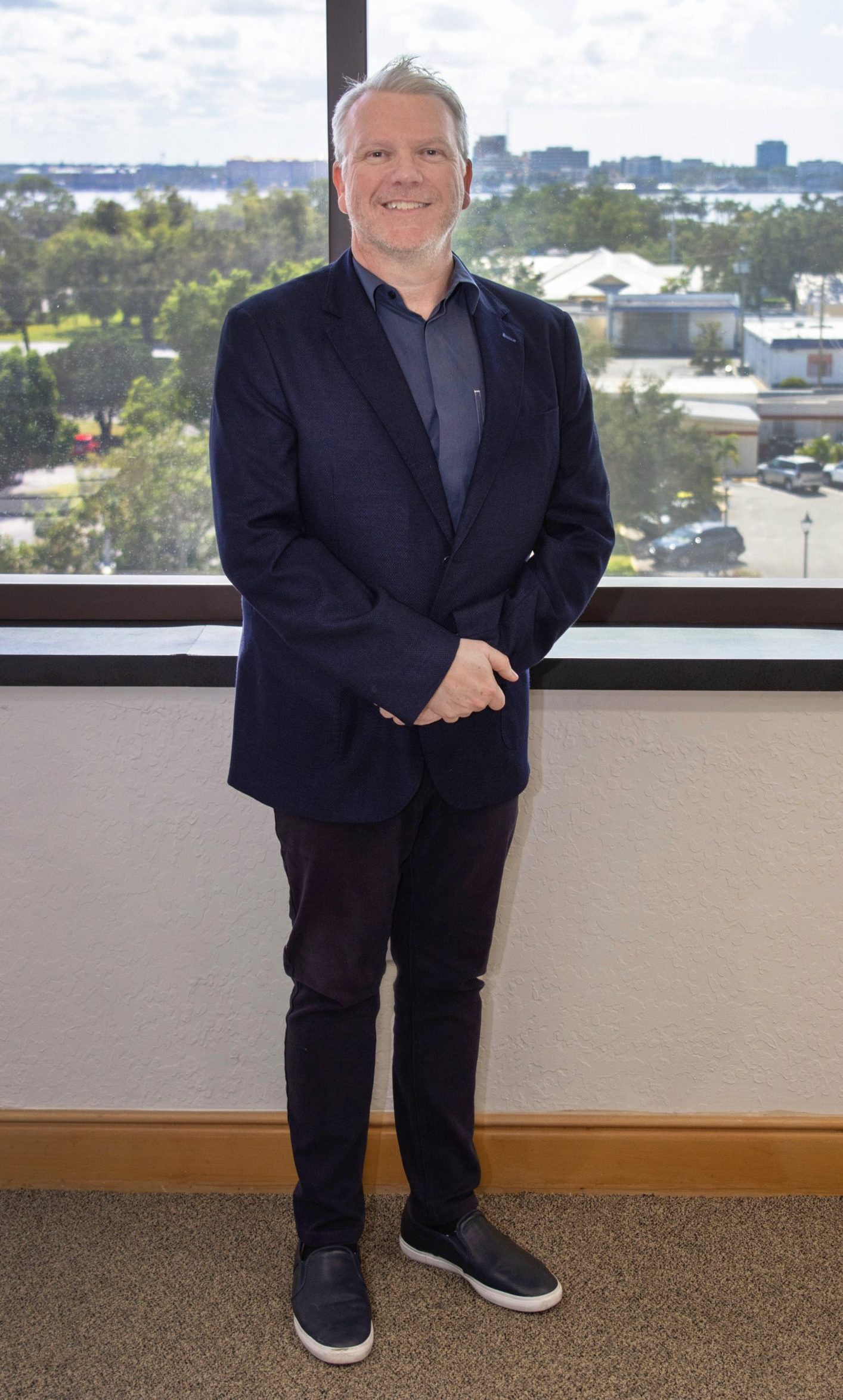
Just eight months after becoming the Interim Chief Executive Officer (CEO) of the Early Learning Coalition of Manatee County following the sudden passing of long-time CEO Paul Sharff, Darrell King was officially appointed CEO by the Board of Directors on September 21st. Darrell has been with the ELC since January 2014, where he began as Director of Communications as well as Editor in Chief for Nextgen Family Magazine. For the past three years, he has held Officer positions, starting as Chief Communications Officer and then as Chief Operations Officer. Along with the knowledge and drive, Darrell brings a passion for his career. It’s these qualities that make him an excellent leader and innovator in the early childhood learning industry.
Mr. Adam Mohammadbhoy, ELC Board Chairman, said: “Darrell has established himself as a remarkable leader of the Coalition since January. His vision for the Coalition, paired with his industry knowledge, community relations, financial management, and overall professionalism, ensure the continued success of the Coalition and expansion of quality services to the children in our community.”
While the abrupt change in leadership happened under devastating circumstances, Darrell has gracefully stepped into his role as CEO with the full support of his staff and the Board behind him.
NG: What is your vision for ELC?
DK: Staying true to the three words that define us – Early Learning and Coalition. By that, I mean that Early Learning is our core mission; it’s what we do. We should always stay true to that and be the leader in that space in Manatee County. There are many different aspects to our daily work, but the vision must keep us on the path of what we are here to do: giving local children the best shot at success when they start school. We are given substantial funding from the State, Manatee County, and other funders and donors for that specific purpose, and it must be at the heart of everything we do.
 The third word in our agency name is Coalition. The very definition of “coalition” is to bring people together for a greater good or cause. That’s where ELC has to be a standard bearer. How can we help others? How can we use our resources to get things done? What support can we offer to other non-profits and agencies who work so hard every day to help local children and families? That is an essential part of the vision – if ELC has a way of helping, whether that is resources, infrastructure, expertise, or helping with connections, we must always do that.
And what I think is absolutely critical when you are the steward of millions of dollars of public money is that your vision aligns with your values – to act with class, full transparency, and fiscal responsibility. I believe that on any given day, we should be able to throw open the doors for people to see our practices, policies, accounts, and budgets. When you are fortunate enough to be given public money, then you must always run an elite business and take the responsibility of spending each dollar as wisely as possible.
NG: What changes would you like to implement in the 1st year to achieve your vision?
DK: I was fortunate enough to come into a really solid foundation built by our former CEO, Paul. The pathway we were on was a good one. When you have had a dramatic change as we had, then I don’t think it’s wise to try and change too much, too soon. We are in unprecedented times in terms of our budget this year being over $50 million, which was around $18 million – $20 million when I started back in 2014 at ELC. That is a big number and the first year for me is about focusing on the immediate challenges, stabilizing the staff, and ensuring we try and execute all the Federal money that has come to us to help our Providers and families.
Any new CEO has ideas of things you would like to change or tweak but having been at the agency for a long time. I know when the right time for that will be. Stability is crucial when you come in as an Interim, and I’ve tried to carry that into the first few months as the permanent CEO.
NG: What are your short-term goals? Long-term goals?
DK: Our immediate short-term goal is to try and make as big an impact as possible with the ARPA (American Rescue Plan Act) funding that we have to spend between now and June 30th, 2023. In this Financial Year, we will expend close to $20 million, the majority of that being in the form of more stabilization grants for our Providers who were so severely impacted coming out of the COVID-19 pandemic and the workforce challenges that has created. We also have significant funding for Outreach initiatives to let the Manatee County community know what programs we have available to help children and families.
And crucially, we have funding to help recruit new teachers into the child care sector, upskill teachers and Directors, and assist with Professional Development. So that is front and center for us in the next six months. It’s all hands to the pump at the ELC as we try to plan and get that financial support out into the right areas.
In the long term, we want to be ready to meet the community’s changing needs, the growth in certain areas, and the influx of new families into the County. We will be working on a new Strategic Plan early in 2023 that will be implemented when we come out of this current substantial Federal funding. There has been a lot of change since the Office of Early Learning moved under the State Department of Education and became the Division of Early Learning. There are new requirements for testing in VPK, all designed to raise Kindergarten readiness rates. In the long term, we need to do everything we can to keep raising the bar.
NG: What are your plans for current ELC programs?
DK: Obviously, our two biggest problems are School Readiness and VPK; that will never change. But we have invested a lot over the past few years in our Community Educational Initiatives department. We have three educational buses that go out into the community. We are always looking at new programs for them and ways to maximize the program flexibility and technology they give us. We have some well-established, very impactful programs, such as Nemours and CATCH, and we will continue to grow them.
 But a big push at the State level is the Transition to Kindergarten initiative, and we are heavily investing in early literacy programs such as ReadingPals, Words on the Bus, Newborn to Read, and Raising a Reader to align with that. We are also looking at whether we can start some kind of program to help identify mental health or learning challenge issues in our youngest children. That is a huge issue now and one that we need to try and assist with. ELC is in a unique position as we are the first touch point in a child’s education before they get into the public school system. If we can identify issues, alert parents, and bring resources in, then all of that is going to help when they start Kindergarten. We have also stopped a couple of programs we didn’t feel were quite getting us what we wanted in terms of return on investment. You have to be bold enough to do that; as I said earlier, when you are the steward of public money, it is crucial to try and spend it as impactfully as possible.
NG: What do you think the biggest challenges are in the early learning industry?
DK: I regularly speak with our Providers, and without a doubt, one of the biggest issues is in the workforce. Many centers lost staff during COVID-19, and like so many sectors, that is still having an impact today. It is a domino effect. If our Providers can’t get staff, they can’t open to full capacity and have some empty classrooms. That then has a ripple effect on our families who are approved for School Readiness funding by ELC to allow them to work or go to school but then face challenges finding child care for their kids due to the capacity issues. We are working hard on that to try and get more people into the Early Education field.
We have a pre-apprenticeship program we have been funding at Manatee Technical College, allowing us to start a conveyor belt of entry-level teachers into our Providers. We hope to sustain and actually expand that as it is essential. The State is acutely aware of these problems and has reacted to the legislature this year by approving funding that raised the minimum wage for those working in the VPK program in child care sites to $15 an hour. All of these things help. So, yes, capacity is a big issue, and then you look at the growth in the Eastern part of our County. Will we have enough child care centers for VPK, for School Readiness? These are all things very much on the radar.
NG: How will you promote a positive image and provide community impact for the Coalition?
DK: I think over the past ten years, the community has really begun to see and understand what ELC does. When I started, there was a misconception that we were some kind of ‘babysitting’ agency. The launch of this magazine and a real push in Outreach and PR started to shine a light on the work we do. Coming from that media background, I felt we had so many things we were doing, so many programs changing lives and making an impact on children and families, that it was crucial we shared that information – not to make us look good, but to let the community know what we could help with. That is always a challenge. VPK in Florida is a free program for four-year-olds, but every year there is only around a 70% participation rate of eligible children. So, it is about pushing these programs out and getting that enrollment up. Our former CEO, Paul, was also a huge outside-of-the-box thinker. He loved new ideas, and that’s why we have a fleet of educational vehicles and programs that other Coalitions don’t. He was a tremendous influence on building our image in the community; for me, it is really about carrying that on. I learned a lot from Paul on many different aspects of running the agency but having that ability to be creative with ideas was a big one!
NG: What strengths/knowledge did you take from the COO position that can help you be a successful CEO?
DK: The simple answer is a lot! I started as a Project Supervisor in 2014 when Paul brought me in to launch Nextgen. I then became Chief Communications Officer and then the Chief Operations Officer, so I have been fortunate to be exposed to many of the different tasks and duties those positions have in supporting the Chief Executive Officer. The COO position is interesting and diverse as you handle a lot of different day-to-day aspects of the agency, which allows the CEO to focus on the bigger picture things and take the view looking down from 36,000 feet. I learned a lot about contracts, finance, and programs, on top of the experience I had from the Communications side, and I feel that has helped me move into the CEO position as I have full knowledge of how the agency works. That said, the transition has been made all the easier for me by the people I have around me. A lot of our staff have been at ELC for a long time. Most of the Leadership Team has been in place since I started, which tells you a lot about the stability and continuity of the agency. The newer Leadership members have all been promoted from Deputy Director to Director positions; again, they have a sound knowledge of what their departments do individually and as part of the overall ELC fabric. Our new COO, Kerry Gaylord, has been on a similar journey to me, moving into senior positions, having started a few years earlier. Kerry was our Director of Grant Management, the Interim COO, and is now the permanent COO, and she deserves that role. She has a wide-ranging experience of so many things we do, and she is a tremendous help to me. The CEO/COO dynamic is vital in any business, and we work exceptionally well together. We are aligned on how we want ELC to look, operate, act, and improve – and with our outstanding Leadership Team, I always feel confident that we can meet any challenge. I am truly blessed to have the staff that I have. 
NG: Why did you want to become CEO of the ELC?
DK: Having a job that can allow you to make a difference is an amazing feeling for me. I had never worked in the non-profit sector before, but quickly after starting at ELC, I saw the impact we could make on children and families, the support and partnerships we could build with other agencies, and the results of those collaborations. It is inspiring for me to see what the staff does on a daily basis, whether that is the Family Services Team, Quality Team, Provider Relations Team, or the Community Education Team. I am surrounded by talented, committed people who want to enhance the lives of the 6000 children we have every year in our programs, support their families, and look after our child care Providers who are the front line. To be the CEO is an honor and a privilege for me. I want us to keep moving the needle and do everything we can to meet the challenges. ELC is a great place to work. I want to build on the outstanding legacy that Paul left us, but also try to make my own mark too.