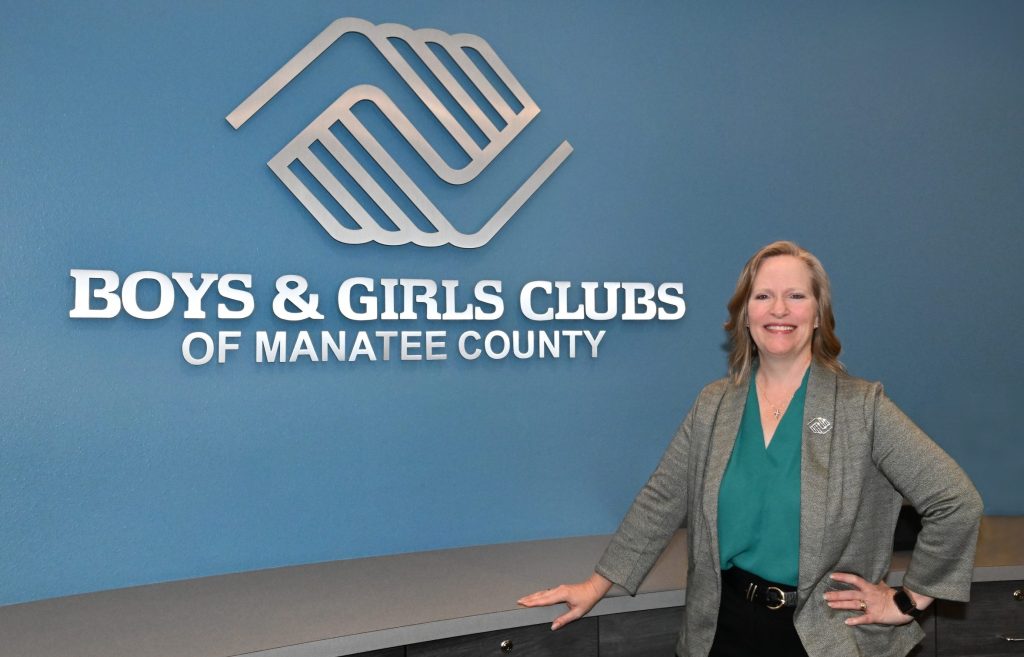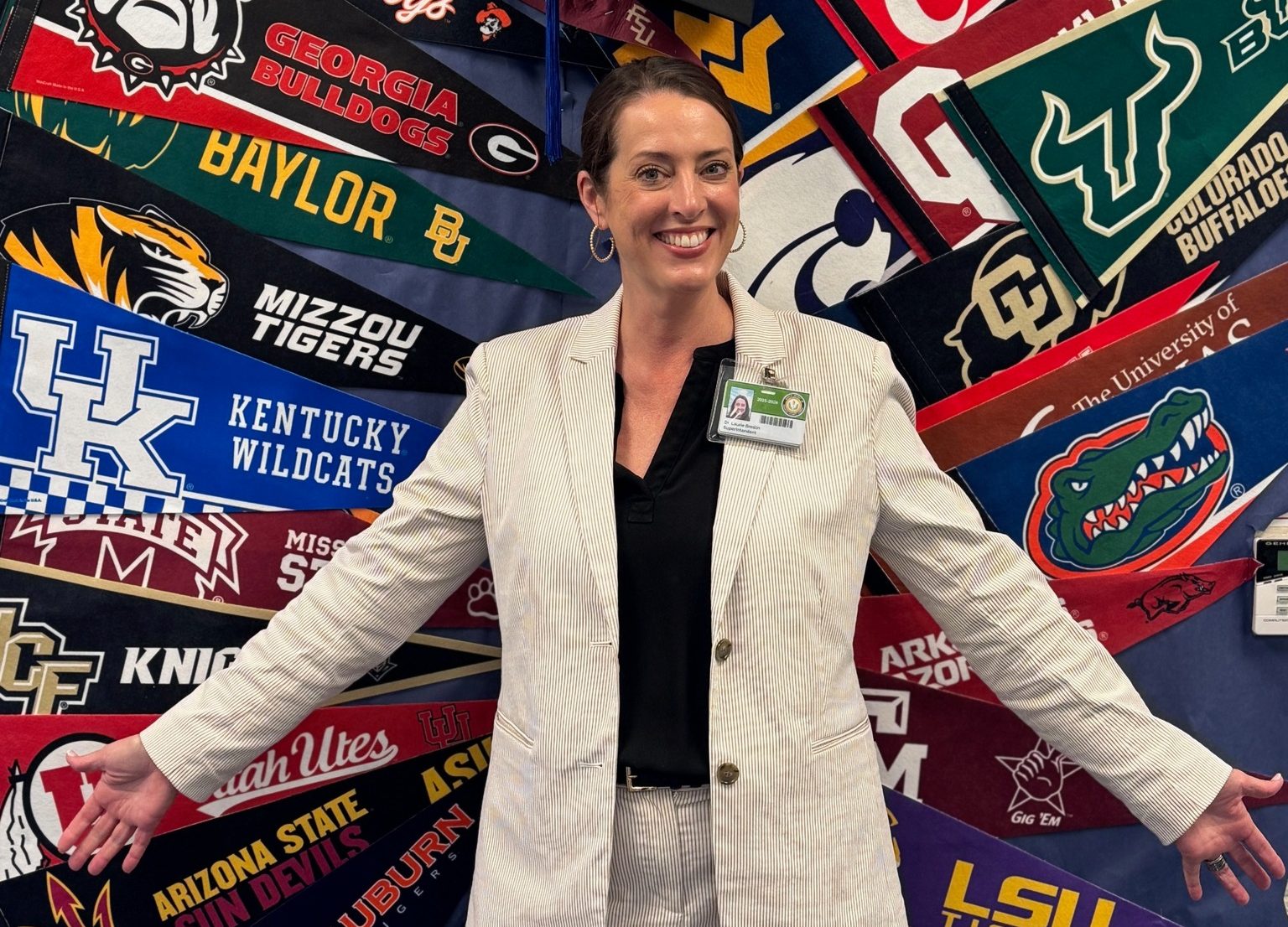
PHOTOS: Melissa Parker, SDMC Communications Department
Dr. Laurie Breslin is closing out her first school year as superintendent with a clear sense of purpose. In this conversation with NEXTGEN Family Magazine, she talks about her own journey into education, what she looks for in strong schools, and why preparing students for what comes after graduation remains central to the work ahead.
NG: You‘ve shared that you didn‘t originally plan to go into education. What changed for you, especially during those first shadowing experiences?
LB: Entering education has been a meaningful journey. Influential role models, including my mother and older brother, helped shape my perspective, though I initially hesitated to pursue teaching. As I was weighing my future career steps, a few teachers graciously invited me into their classrooms, and I was instantly hooked. Through those experiences, I developed a strong passion for supporting student learning. Teaching offers a clear sense of purpose because it gives us the chance to positively impact students’ lives and open doors to new possibilities.
NG: Tell us about someone in your school years who made a lasting impression on you. What did they do that stood out?
LB: When I was in high school, I took a Peer Counseling class taught by Sue Kinnan. This elective helped students build skills to assist their peers. Every week, we also walked to a nearby elementary school to read to younger students. Years after graduation, I began my teaching career and discovered that Mrs. Kinnan had become a curriculum specialist at the district level, focusing on reading support. Remarkably, my former teacher guided me again, this time as a colleague. Moments like that show the strength of community. We continually help one another grow, and that creates a better system for our students.
NG: What has your career as a teacher, principal, and now superintendent taught you about leadership, especially when you have to make difficult decisions that affect students and families?
LB: My journey from the classroom to district leadership has taught me that leadership is ultimately about responsibility, especially when decisions are complex and impact students, families, and staff in very real ways. At every level, I‘ve learned that the most effective leaders stay grounded in what is best for students while also taking the time to listen, gather input, and understand the full context of a situation.
Difficult decisions often come with competing perspectives, and I‘ve learned that transparency and communication are critical. Even when decisions are hard, people want to know that they were heard, that the process was thoughtful, and that the focus remains on doing what is right for students. Leadership in those moments requires both courage and empathy, being willing to make tough calls while never losing sight of the people those decisions affect.
Ultimately, leadership is not about having all the answers, but about staying focused on purpose, building trust, and making decisions with integrity.
NG: How did growing up in Manatee County affect the way you lead the district today?
LB: Growing up in Manatee County has had a lasting impact on my leadership. I attended Manatee schools, and I plan to retire one day as a Manatee resident. That means I refuse to settle for anything less than excellence for our schools. I believe in our past accolades, our current successes, and what we have yet to achieve. I know we are a strong school district, and I want the entire community to know that. I want the entire state to see it.
NG: When you think about a healthy school system, what do you look at besides test scores?
LB: While academic performance is important, it is only one indicator of a healthy school system. I look at the whole child and the overall system that supports them. That includes student engagement, attendance, and a sense of belonging. Students learn best when they feel safe, connected, and supported.
 I also pay close attention to the strength of our workforce. Teacher and staff retention, morale, and the quality of professional learning are critical indicators of system health. When educators and school leaders feel valued and supported, that directly translates into stronger outcomes for students.
Additionally, I look at how well we are preparing students for life beyond graduation. That includes college and career readiness, access to advanced coursework, career and technical education opportunities, and whether students are leaving our system with real options and a clear path forward.
Finally, I consider the strength of our relationships, with families, community partners, and stakeholders. A healthy school system is one that builds trust, communicates openly, and works collaboratively to support students.
In the end, a truly strong school system is not defined by a single metric, but by a combination of academic success, student well-being, staff capacity, and community confidence.
NG: What do you think families need most right now, and how well do you think schools are meeting those needs? Where is that partnership working, and where could it be stronger?
LB: Families today are looking for three core things from their schools: meaningful opportunities for their children, a safe learning environment, and trust maintained by timely and accurate information. In our schools, we see strong partnerships where schools are proactive in communicating with families, creating welcoming environments, and offering programs that connect learning to real-world opportunities. When families feel informed and included, trust grows, and that partnership becomes a powerful driver of student success.
At the same time, we know those connections can always grow stronger. It is important not only to communicate often, but to do so clearly, consistently, and in ways all families can access. We should continue finding new ways to involve families as true partners in education, not simply as receivers of information. That means encouraging two-way conversations and helping families feel equipped to support their children’s academic growth. Strong schools build strong communities, and our aim must be to keep strengthening those partnerships so every family feels included, respected, and confident in their child’s education.
NG: What is one question you wish more parents would ask their child after school?
LB: There is no wrong question to ask your child at the end of the school day. Any interest in their learning is a positive interaction. As a parent, I lean toward questions that require more than a yes or no answer. One of my favorite things to ask is, “What do you look forward to at school tomorrow?“
NG: When you visit a school, what do you notice first?
 LB: While data and outcomes matter, I‘m looking for a place where students are known, challenged, and supported every single day. I look closely at what is happening in classrooms. Are students actively engaged in learning? Are teachers facilitating meaningful instruction and checking for understanding? Do our teachers have what they need to perform at their highest ability, or is there something more we can do to support teacher needs?
Beyond that, I notice how adults collaborate and how visible leadership is within the building. A strong school has a shared sense of purpose, where everyone is working together to support students.
NG: Can you tell us about a recent conversation or moment with a student that has stayed with you?
LB: As a lifelong learner, I believe in the importance of reflection. One moment that has forever stayed with me occurred after a high school graduation. A student that I worked particularly close with to be sure that the student earned their high school diploma said to me after they walked across the stage, “What am I going to do now?“ This was many years back, but it struck a chord in me. I spent some time reflecting on this.
It is not enough to just see a student graduate. We must prepare students for post-secondary. All students need a plan, and it is a mission of mine to be sure that we do this across the district. Graduation is a celebration of all that has been accomplished, but it is also a celebration of the future possibilities. We are going to be sure that all students know what those possibilities are for their future.
NG: Looking back on this school year, where do you feel the district made the most progress, and how is that shaping your priorities for next year?
LB: This school year, I believe we made the most meaningful progress in strengthening both our academic focus and our operational alignment as a district. We‘ve sharpened our attention on literacy and student achievement, while also taking important steps to ensure our systems, whether in staffing, budgeting, or support services, are more aligned to the needs of our schools.
 We also made progress in building stronger communication and trust, both internally with our staff and externally with families and the community. That foundation is critical, because sustained improvement only happens when people feel connected, informed, and part of the work.
As I look ahead, those gains are shaping a clear set of priorities. We will continue to accelerate academic growth, with a particular emphasis on literacy and middle school outcomes. At the same time, we will deepen our focus on attendance and engagement, recognizing that students have to be present and connected in order to learn.
Operationally, we will stay disciplined in improving efficiency and ensuring resources are directed where they have the greatest impact on students. And just as importantly, we will continue investing in our people, recruiting, retaining, and supporting high-quality educators and leaders across the district.
NG: What are you most looking forward to in the new school year?
LB: Ultimately, next year is about building on our momentum and moving from alignment to acceleration, so that every student in our district experiences success.