WORDS: Shannon Evans
PHOTOS: School District of Manatee County
Curiosity is the wick in the candle of learning. —William Arthur Ward
If you‘re a parent, you‘re probably used to your kids asking all kinds of questions. Why is the sky blue? How do airplanes stay in the air? What is the internet? Or that classic question that suddenly makes you wish you had paid more attention in science class, How does electricity work?
It‘s funny how such questions can catch us off guard, but they‘re crucial for how children learn and grow. Curiosity helps them explore their world. And that curiosity also inspired hundreds of elementary students in Manatee County as they prepared their projects for the Manatee Regional Science and Engineering Fair (MRSEF) this past January.
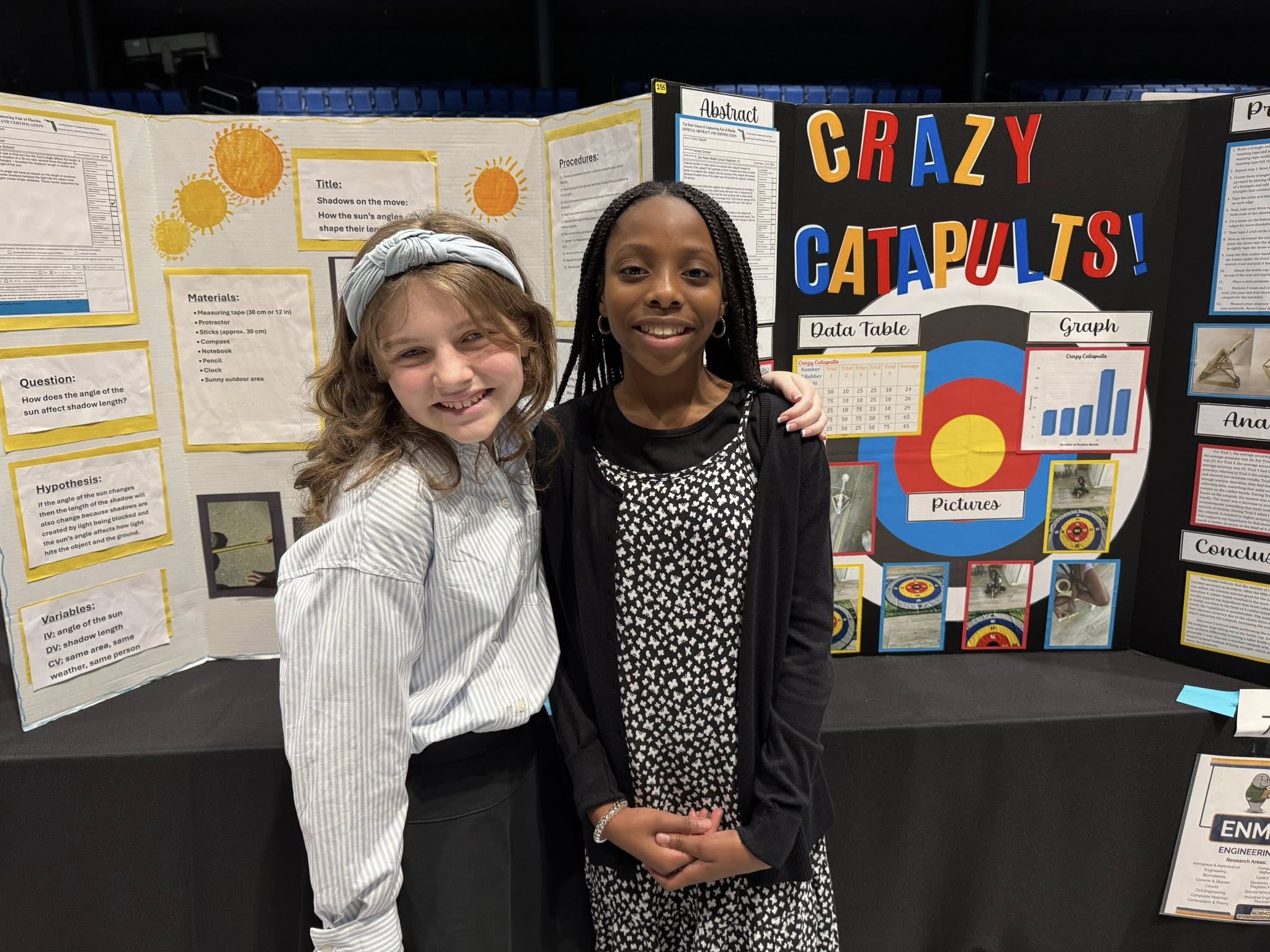 Thirty-two schools, including 18 elementary schools, participated in this year‘s fair, with about 150 elementary-level projects. The students asked questions like, How does light color affect plant growth? What makes a paper airplane fly farther? Which bridge design holds more weight? What is the best way to wash your hands? How much fertilizer does a cucumber need to grow well?
“Our main goal for elementary students centers on engaging them in the scientific process, whether they‘re conducting an experiment or working through an engineering challenge,“ says Lynne Johnston, STEM Coordinator for Manatee County schools. “We want them to work hands-on, to investigate something that interests them and learn how scientists approach questions about the world.“
A strong project, Lynne explains, begins with a clear, unique question and follows a complete process. Students collect data and organize it using charts, graphs, and tables; whatever‘s on their display board, it needs to include enough detail that the judges and other viewers can easily understand. What materials did they use? What steps did they take? What were the results? What conclusion did they reach?
“I should be able to look at your project and recreate your experiment,“ Lynne adds.
Clear expectations help students build better projects; Dane Gottsch, Secondary Science Instruction Specialist for Manatee County schools, helped lay that groundwork. The fair‘s organizers used the Secondary Science and Engineering Fair Handbook he created as a starting point, then adapted it for elementary students. With all the paperwork and logistics involved, Dane wanted to make things easier for students and school staff so the fair could do what it‘s meant to do: help kids build an interest in science at a young age.
The Big Day(s)
After months of work, the event unfolded at the Bradenton Area Convention Center. Middle and high school students were bused in for judging on Friday, while elementary students and their families later got to see the projects during Saturday‘s STEM Showcase.
“Watching the kids‘ faces when they walked into that huge space and saw their boards set up was amazing,“ Lynne says. “They had all dressed professionally, too, as they‘d been asked to. Some of them came in, and their jaws dropped. You could tell they felt honored seeing their work displayed at such a big event.“
“There are a lot of logistics that go into it,“ Dane adds, “but the tablecloths, decorations, and setup all helped create that atmosphere. There really was a sense of awe when you walked in.“
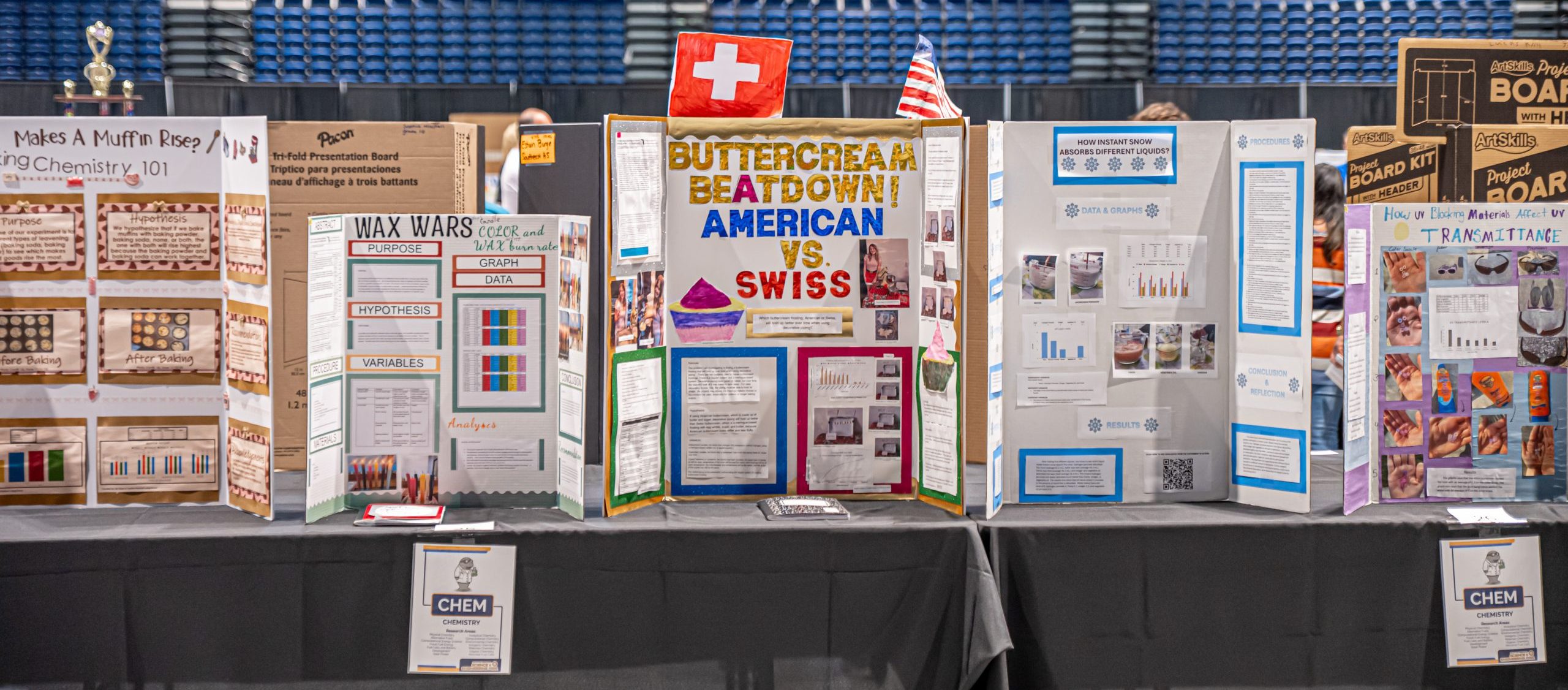 For the secondary students, organizers announced each school like they were a team at an athletic event, which added to the celebratory feel. Lynne points out how kids often get recognition for their achievements in sports or performing arts, but not always for academic work.
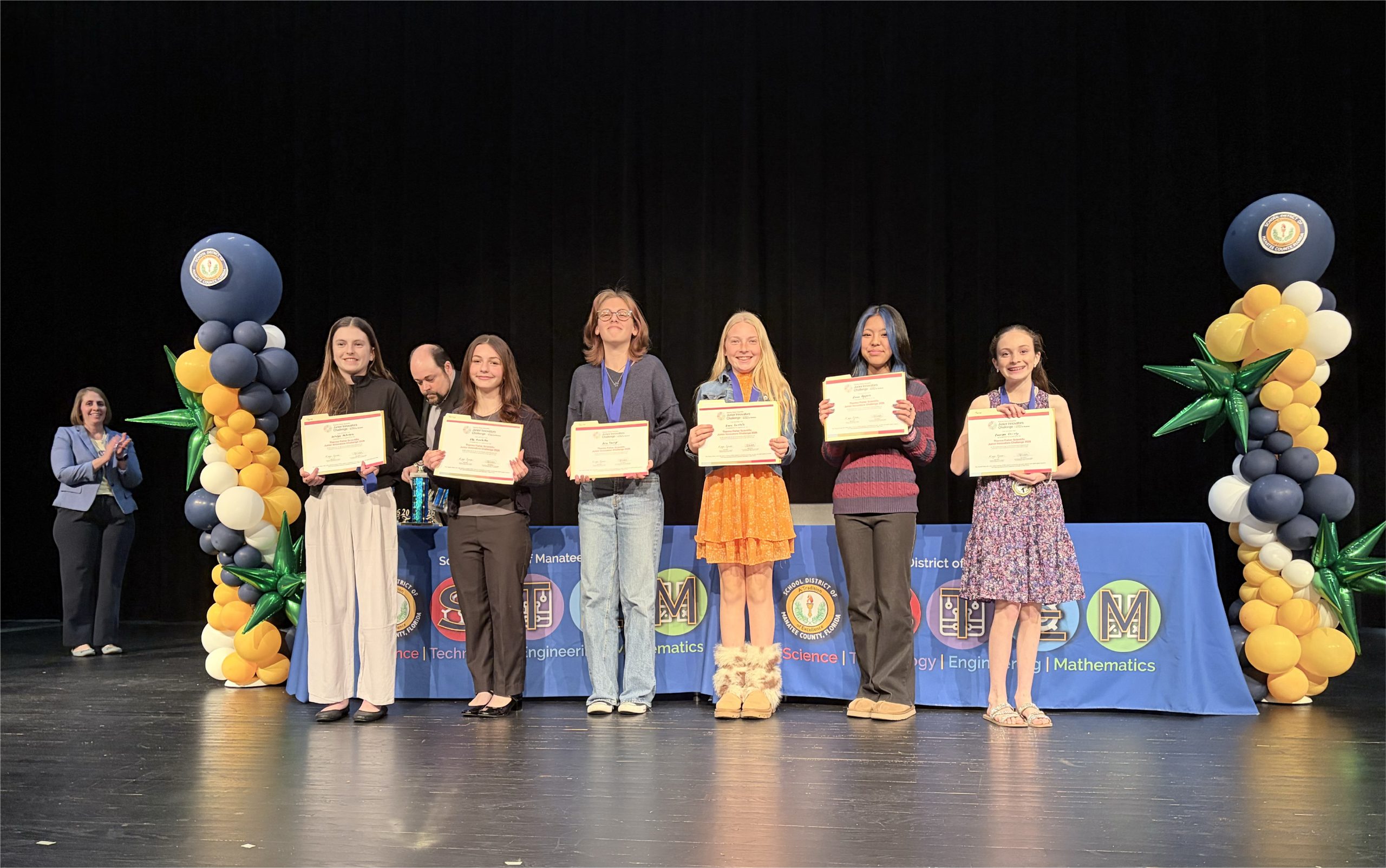
“That‘s one of the things I love about STEM competitions, including this fair,“ she says. “For academically minded students, the fair gives them a chance to feel excited and proud of their abilities. They get to study something that interests them, come up with an engaging way to present it, and then talk about it. And when they win an award, that‘s their work. They earned that.“
Students need a good question and a clear display board. As they move into higher levels of competition, however, they also need to explain their findings clearly and answer judges‘ questions well. That‘s one reason Dane encourages students to choose a topic they genuinely care about. Not only are they spending a lot of time on the project, but students tend to speak more confidently when they‘re interested in the subject.
Hands-On Fun
Willis Elementary delivered one of the top performances at this year‘s fair, earning multiple category placements as well as the Elementary School Distinguished Excellence Award.
Kelly Kolomiychenko, who has taught at Willis for 19 years, works with students from kindergarten through fifth grade and focuses on hands-on science and creative problem-solving. In STEM, she said, students come in expecting to learn by doing, working together, and figuring things out as they go. The fair builds directly on that experience.
“Science and engineering fairs are important at every grade level, but starting in elementary school gives students the background knowledge and experiences that can support them in middle school, high school, and even future careers,“ Kelly says.
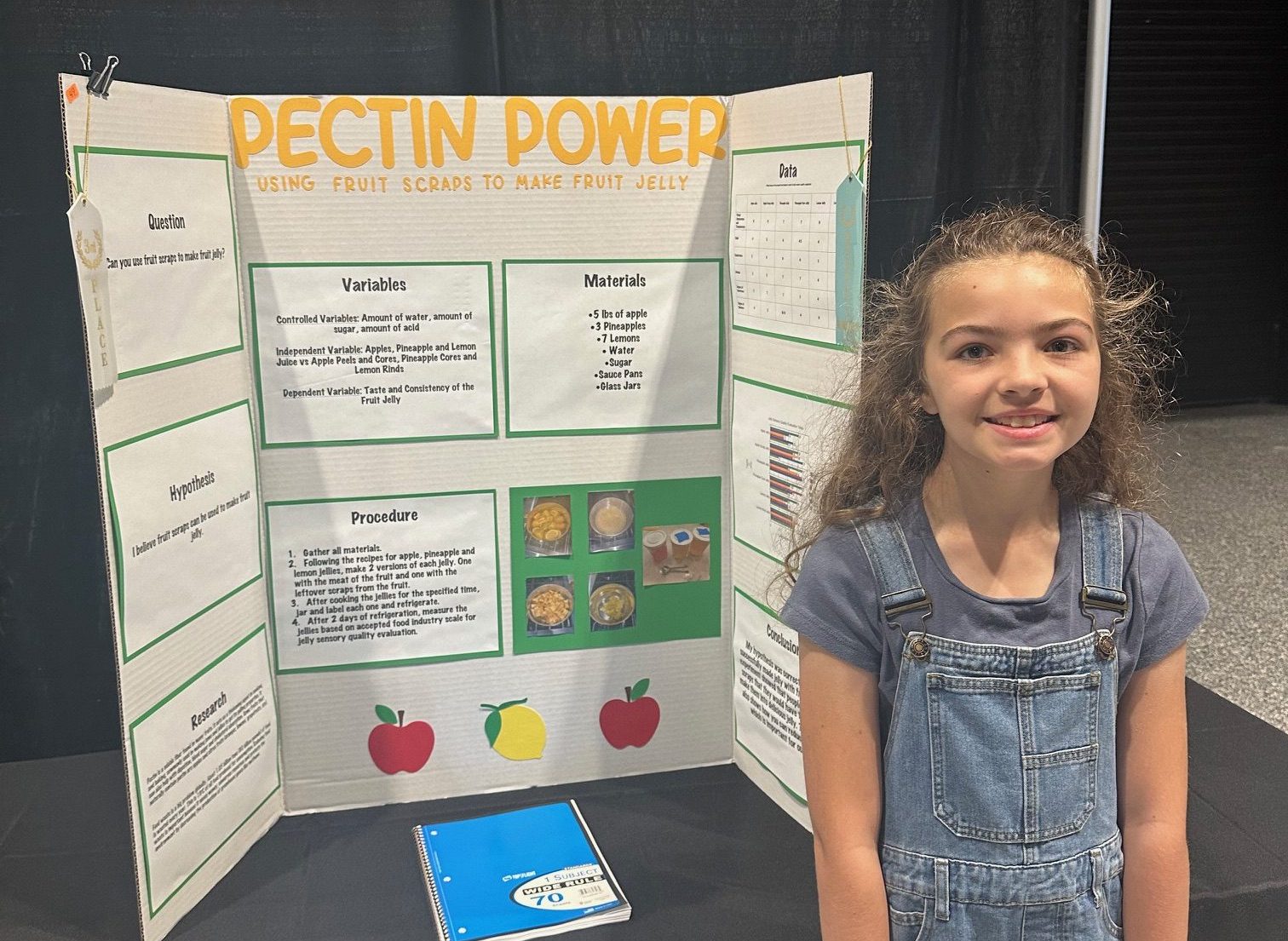
Among Willis Elementary‘s standout students was fifth grader Keira, who earned third place in the Earth & Environmental Science category at the district level, plus four tickets to Jungle Gardens. Her project, Pectin Power: Using Fruit Scraps to Make Fruit Jelly, explored whether leftover parts of fruit, like apple peels and cores, pineapple cores, and lemon rinds, could be turned into something useful instead of thrown away. It was a practical idea pointing to the bigger issue of how scraps destined for the trash could help feed people who don‘t have much food.
She also learned more about the science behind jelly itself, including what makes it set and how the ingredients work together. Just as important, she said, the project gave her a chance to do something she genuinely enjoys.
“I think the fair is a great learning opportunity and, overall, really fun,“ she says. “I love science; it‘s one of my passions.“
Keira‘s enthusiasm is easy to see, but the fair reaches students at all levels of interest. Dane has noticed how it can change the way many of them experience school.
 “For a lot of kids, academics can feel dry, just something they have to get through,“ he says. “But even when a project wasn‘t highly competitive, I could tell students were having fun with it. They were outside, smiling and taking measurements in the real world. They‘re doing something. Learning, and building skills, and actually excited about it.“
And this is just the beginning for these students. The same process continues in middle and high school, where projects can grow more advanced, with more complex questions. This year, 19 middle and high school students advanced from the county to the state level, and two students, along with an alternate, qualified for the International Science and Engineering Fair in Phoenix, Arizona.
A Community Effort
The students put in a lot of work on their projects, and Lynne and Dane both point out how many other people help make the day possible. Alongside the school district‘s team of about twenty, community members pitch in in practical ways, from setup and cleanup to sponsoring the event and its special awards.
And the fair always needs more volunteer judges. Because every project is judged three times, making sure each one receives equal attention takes a significant amount of time and coordination. Serving as a judge lets community members support local students and take part in an experience that leaves a lasting impression.
Maybe not every student will grow up to be a scientist or engineer, but the hope is that they‘ll remember the fun of experimenting and the joy of discovery. If that happens, then the Manatee Regional Science and Engineering Fair will have done its job, helping these kids become adults who continue to display a sense of curiosity and wonder about the world.
For more information about MRSEF, visit www.manateeschools.net/mrsef.