WORDS & PICTURES: Gabrielle Versmessen
A penguin is unlike your typical bird due to its inability to fly, but that doesn’t stop the bird from having its own beautiful uniqueness. It is from this philosophy that The Penguin Project was born.
The Penguin Project is a national musical theater program where children and young adults with disabilities perform in a modified version of a well-known Broadway musical. All roles are filled by artists with developmental disabilities.
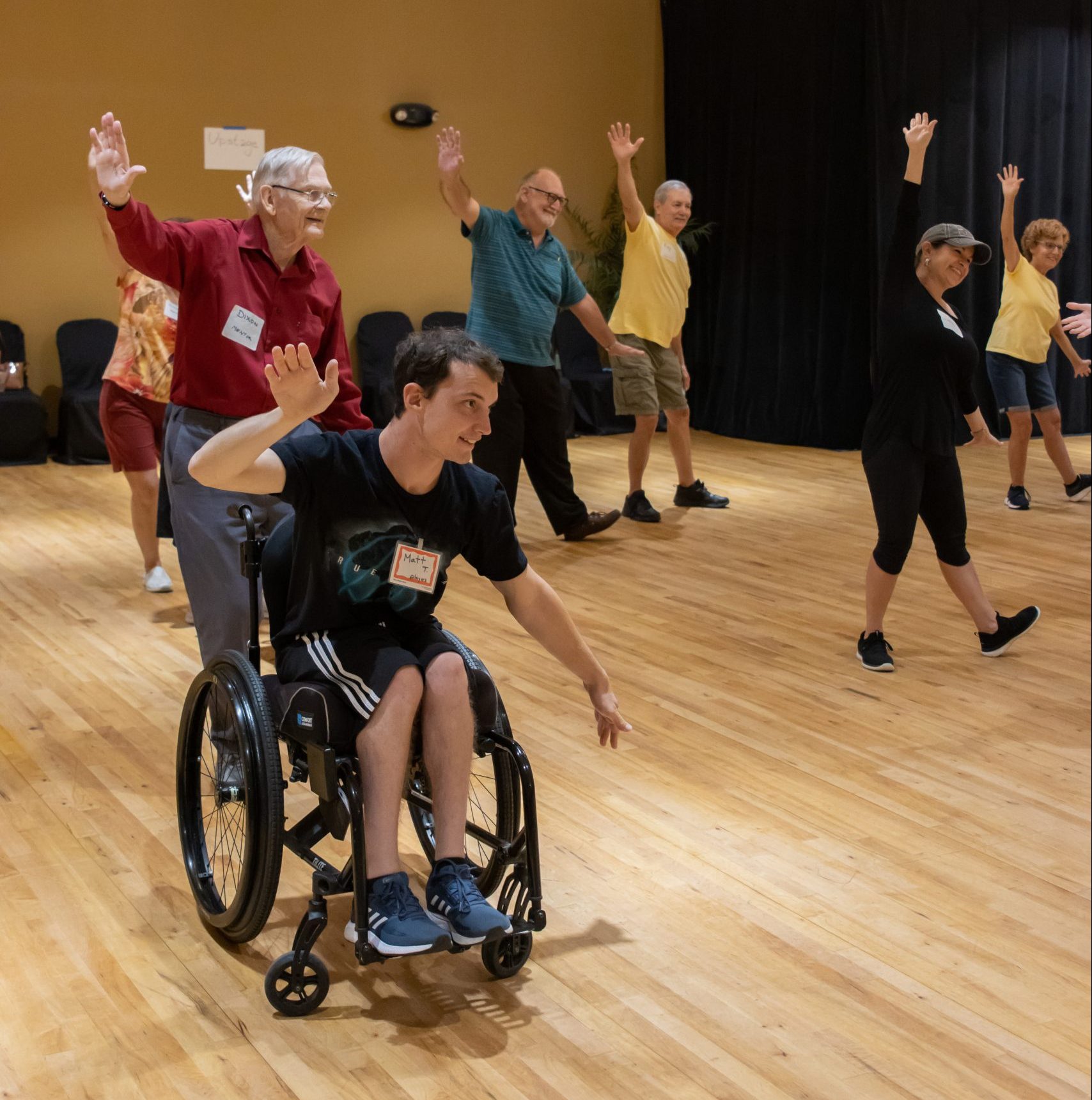
These disabilities can include Down Syndrome, cerebral palsy, autism, intellectual disabilities, learning disabilities, vision and hearing impairments, neurological disorders, or other special needs. A peer mentor system is in place to link each artist with an age-level peer who does not have a disability.
The Penguin Project was started 25 years ago, but this year is the first year the Manatee Performing Arts Center is a chapter. This year’s performance will be “Annie Kids.”
Janene Amick, CEO of Manatee Performing Arts Center (MPAC), has had the Penguin Project on her radar for quite some time. Hearing about it through other theaters within the national network who have participated in the program, Janene needed a few things to align before MPAC could take on the Project. That’s when Bradenton Kiwanis stepped in.
“It was something we’ve always had a passion to want to do. This was just the perfect timing because now, with Bradenton Kiwanis’ involvement, we had a very stable group of volunteers we could lean on and help get the word out,” she says.
With the seed money coming from Bradenton Kiwanis, the participants don’t pay any money. Because MPAC was already putting on “Annie,” the wardrobe and sets were readily available without shelling out an extra cost.
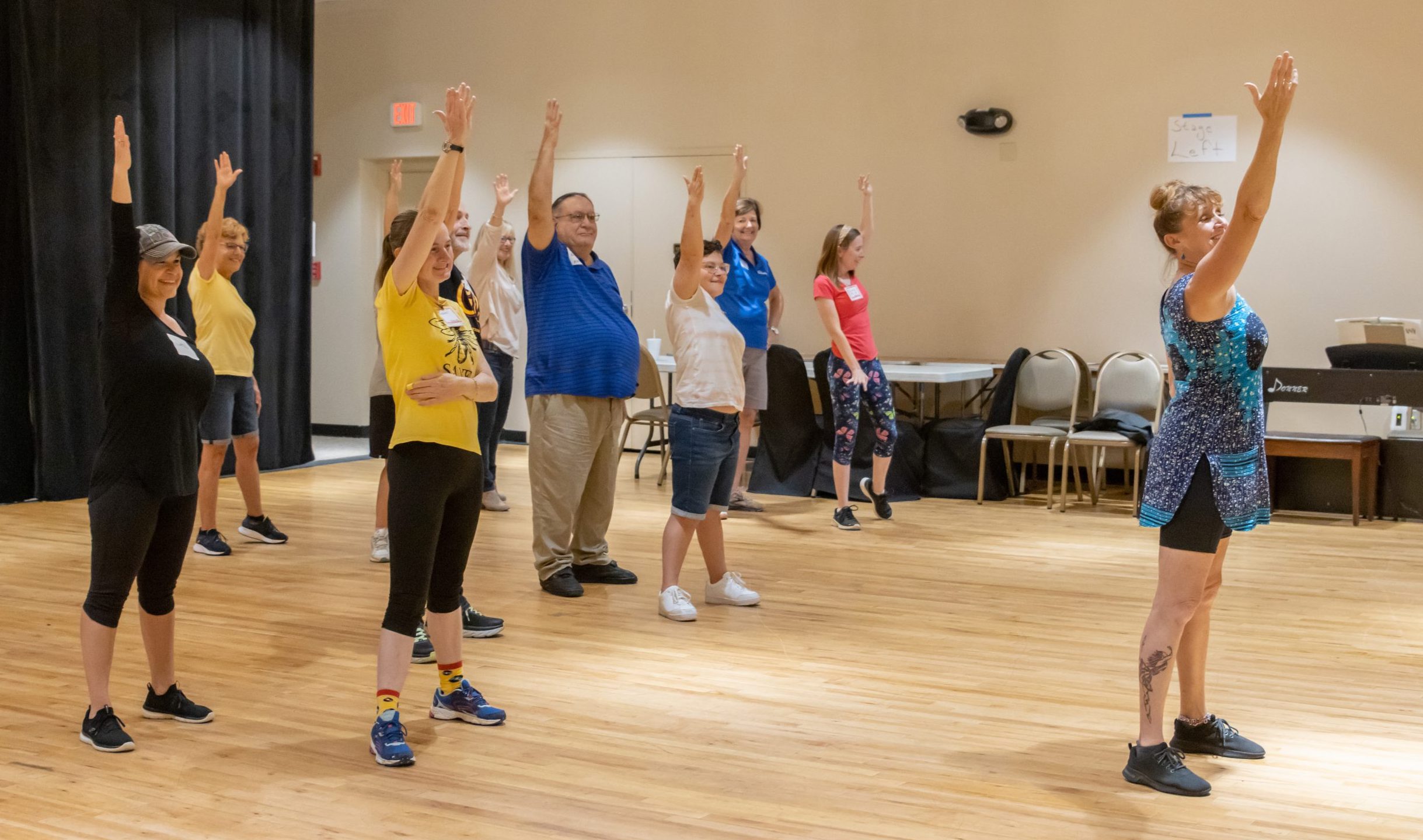
 The Producing Artistic Director of MPAC, Rick Kerby, contacted the Penguin Project Foundation to get MPAC qualified as a chapter. Rick is also responsible for bringing on Melissa Wilson as the music director and choreographer. Melissa has her Bachelor’s degree in dance and a Master’s degree in teaching special education. She creates instructional YouTube videos of the routines for the artists and mentors to refer to outside rehearsals.
Melissa explains: “I’ve taught dance to students with disabilities as part of my program. We had inclusive classes, so it was all mixed. Some moved a little differently than others, and that was ok. It was great to see how dance was a way that they could learn and grow.”
Unique to the MPAC chapter of the Penguin Project is the Penguin Players. These artists are individuals ages 23 and older with a disability. Dan Yonko, Director of Communications of MPAC, credits the creation of this group to the involvement of Easter Seals of Southwest Florida.
Dan says: “They bring all the students here, so they’re learning in the theater environment. The Players’ group has not been a group for which the Foundation has written a curriculum, so we’re trendsetting it here at MPAC.”
Between the Penguin Project and Penguin Players, there are 38 participants. Unlike traditional theater, where you come in, audition, and get the part, everyone who wants to participate in the program can do so. Some artists may need side-by-side queuing from their mentors, and some may need moral support, like getting them to the stage’s wings to make their entrance. While there are different levels of mentor support, they try to do a one-on-one ratio in hopes that they can grow through the program together.
However, the Penguin Project isn’t just another form of theater education. The friendships built on both the mentors’ and the artists’ sides are lifelong. It breaks down barriers. It reduces bullying. Janene describes the experience as having a visual beauty that is very difficult to articulate into words.
“The impact it is making emotionally on the mentors is beyond belief. We even had people who were financial supporters come to see the rehearsals, and a grown man had tears streaming down his face. He was overwhelmed by what he saw.”
Dan says that there are children mentors who want to go into occupational therapy or speech therapy because of their participation. “It’s guiding people’s career decisions.”
Sharon Barhorst, Bradenton Kiwanis Membership co-chair, has been like a community connector for the project. She got Bradenton Kiwanis’ Aktion Club chartered with Kiwanis International and got the volunteers and other young, disabled individuals involved. Aktion Club is a service club for adults with disabilities to “help them become more competent, capable, and caring leaders through vehicles of service.” Sharon and her husband, Ray, also mentor the Penguin Players, and they both agree that this is the most meaningful thing they’ve ever done.
“We’ve always had a passion for wanting to help the disabled, but we never really had the experience or been exposed to this wonderful part of the community until we started the Penguin Project.”
Mentors are not required to have a background in theater. Dan says they just need to have a passion for what they’re doing, a want to help people, and a kind heart.
- If you want to catch this year’s production of “Annie Kids” at MPAC, the Penguin Players performances are May 14th and 15th, and the Penguin Project performances are May 16th and 17th. You can find more information at: https://www.manateeperformingartscenter.com/